Bluidge Biology
1 / 1





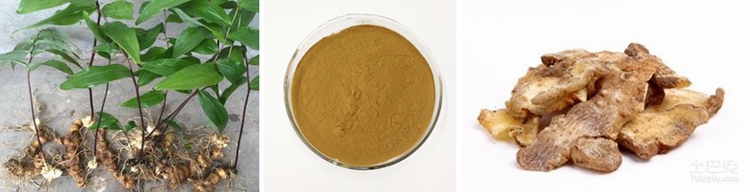
Polygonatum sibiricum is mainly produced in Hebei, Inner Mongolia, and Shaanxi; Polygonatum kingianum is in Yunnan, Guizhou, and Guangxi; and Polygonatum cyrtonema is in Guizhou, Hunan, Yunnan and other places. The best harvest time is in spring and autumn. After the digging, remove the fibrous roots, wash with water, put in boiling water to scald slightly or steam thoroughly, dry, and then cut into thick slices.

| Items | Standards | Results |
|---|---|---|
| Physical Analysis | ||
| Description | Brown Powder | Complies |
| Assay | 10:1 | Complies |
| Mesh Size | 80 mesh | Complies |
| Ash | ≤ 5.0% | 2.85% |
| Loss on Drying | ≤ 5.0% | 2.82% |
| Chemical Analysis | ||
| Heavy Metal | ≤ 10.0 mg/kg | Complies |
| Pb | ≤ 2.0 mg/kg | Complies |
| As | ≤ 1.0 mg/kg | Complies |
| Hg | ≤ 0.1 mg/kg | Complies |
| Microbiological Analysis | ||
| Residue of Pesticide | Negative | Negative |
| Total Plate Count | ≤ 1000cfu/g | Complies |
| Yeast&Mold | ≤ 100cfu/g | Complies |
| E.coli | Negative | Negative |
| Salmonella | Negative | Negative |

1. Applied in health product field, it can be made into nutrient liquid, capsule and granule to enhance immunity.