Explore our elite selection of scientifically verified, active-ingredient-rich tropical and classical botanical extracts engineered for maximum efficacy.
A B2B perspective on global market dynamics, clean-label raw materials, and processing integrity.
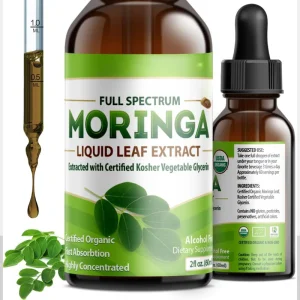
Over the last decade, consumer shifting toward plant-based lifestyles and preventative health measures has propelled the botanical industry into a new era. The global market for tropical herbal extracts is no longer confined to niche wellness products. Today, they serve as crucial primary active compounds in high-performance cosmetics, clinical-grade nutraceuticals, food and beverage solutions, and biopharmaceutical formulations. High-growth compounds such as Centella Asiatica (Gotu Kola), Moringa Oleifera, and Pueraria Lobata have experienced rapid adoption as global brands require standardized concentrations of active compounds to prove efficacy.
As search intent shifts from generic sourcing to deep technical capabilities, manufacturers and procurement officers are seeking answers regarding ingredient bioavailability, ecological preservation, and regulatory certificates. Developing a pipeline for these active compounds requires deep expertise, specialized equipment, and close monitoring of plant physiology from source to product. This comprehensive guide outlines the sourcing criteria, production systems, and market landscapes governing top-tier herbal extract manufacturing.
Analyzing B2B procurement benchmarks, quality verification, and strategic raw material selection.
Procurement teams require precise quantification of active markers (e.g., Ginsenosides in Panax Ginseng or Berberine in Phellodendron Bark) via HPLC, GC-MS, or UV-Vis, ensuring therapeutic batch consistency.
Meeting heavy metal thresholds (Pb, As, Cd, Hg) and ensuring pesticide residue levels comply with strict international criteria, such as USP <561> and EP limits, is critical for clean-label initiatives.
Adapting extraction matrices to match end-use applications, whether designing ultra-clear water-soluble powders for beverages or lipophilic extracts for cosmetic oil emulsions.
How industry-leading factories utilize green extraction technology to maximize active ingredient yields.
Sourcing raw plants from certified Good Agricultural Practices (GAP) locations. Direct botanical authentication via DNA barcoding and macroscopic verification guarantees zero contamination at the gate.
Utilizing clean methods including Supercritical CO2 Extraction, Subcritical Water Extraction, and Ultrasonic-Assisted Extraction (UAE) to isolate volatile and non-volatile target bioactives without thermal degradation.
Using selective macroporous resin columns to separate target actives from unwanted plant sugars and chlorophyll, maximizing therapeutic density and achieving up to 98% standardized purity.
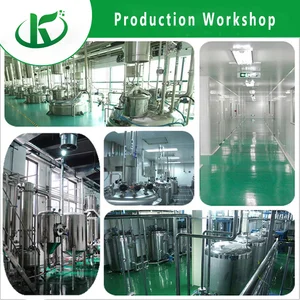
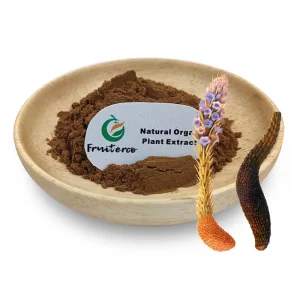
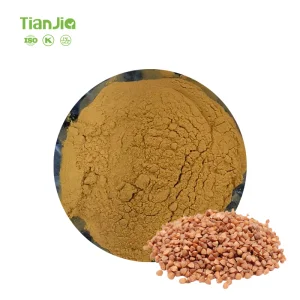
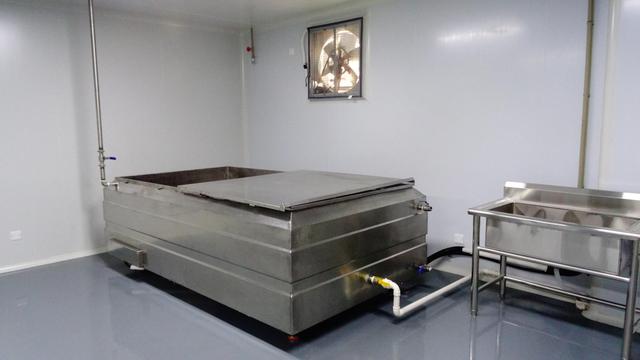
Applying spray-drying or freeze-drying technologies in class-100,000 cleanrooms to produce highly stable, free-flowing, dispersible powders that maintain physical stability over their shelf life.
A comparative overview of top manufacturing hubs and criteria for choosing the right raw material partner.
The manufacturing landscape for tropical herbal extracts is geographically clustered near key biological zones. Southeast Asia, Southern China, and parts of South America dominate raw material production due to native biodiversity. However, the conversion of raw biomass into standardized industrial ingredients is concentrated in advanced technological zones. These hubs leverage logistics infrastructure and strict quality standards to service global accounts.
When selecting a top-10 partner factory, international buyers evaluate several key criteria:
Integrating modern biotechnology with traditional botanical knowledge for global scale.
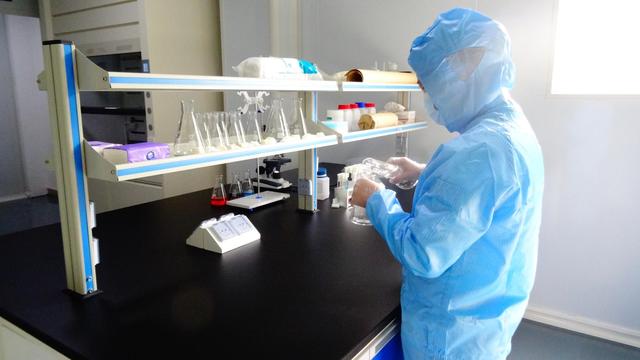
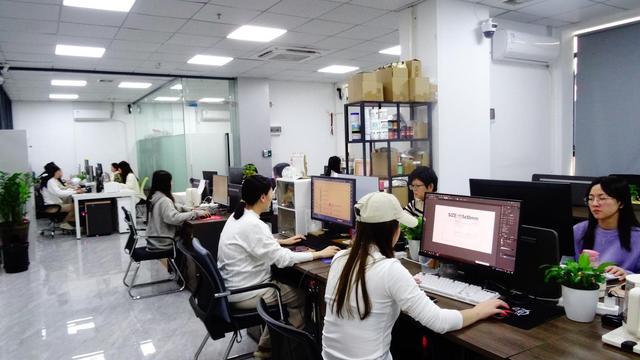
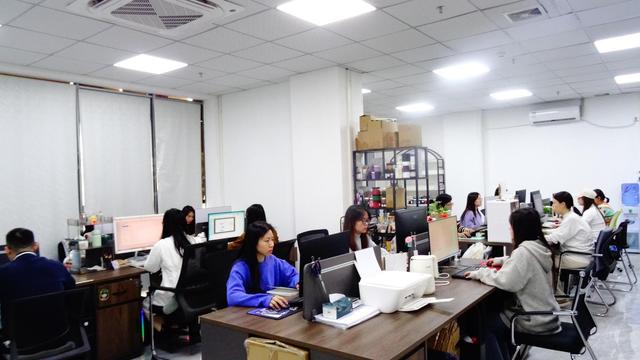
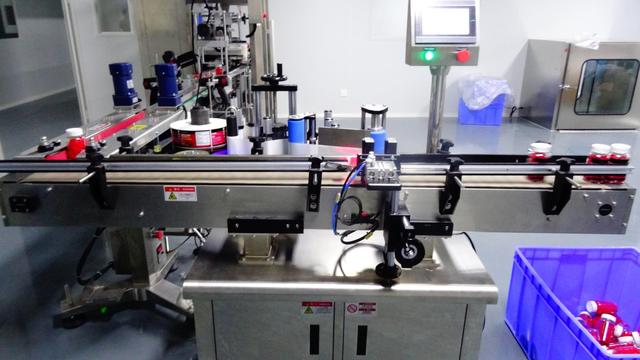
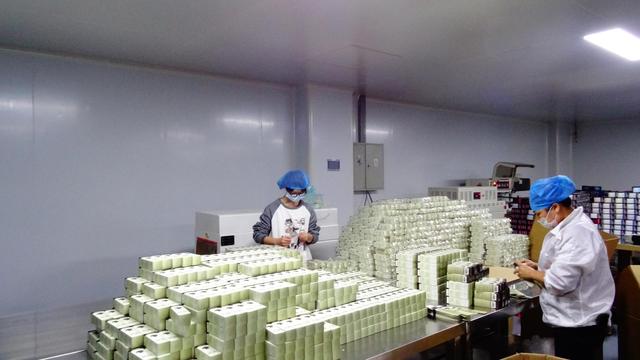
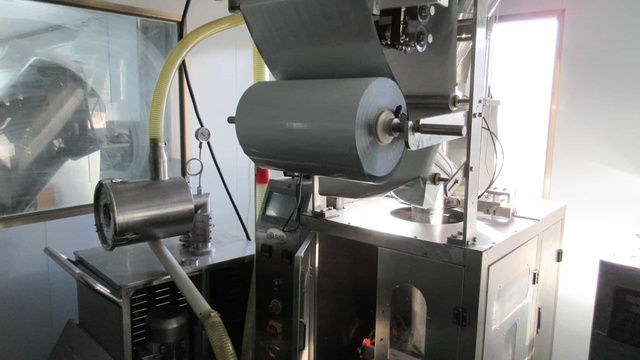
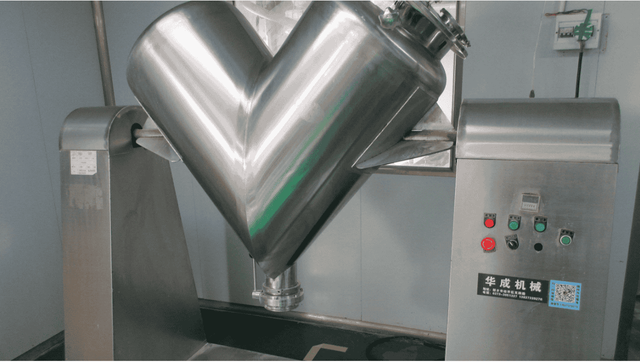
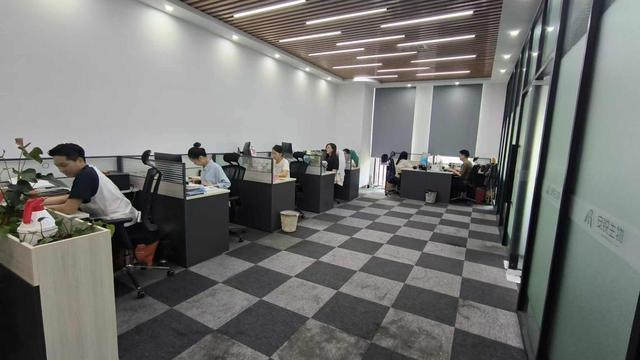
Shenzhen Bluidge Biology Co., Ltd. is a professional herbal extract manufacturer and botanical ingredient supplier based in Shenzhen, China. The company specializes in the research, development, production, and global export of high-quality plant-based extracts for cosmetics, food, dietary supplements, and pharmaceutical applications.
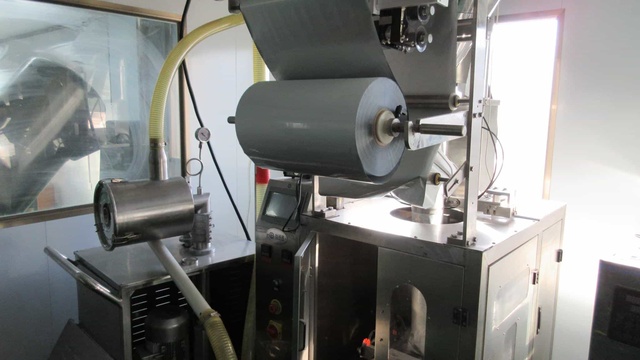
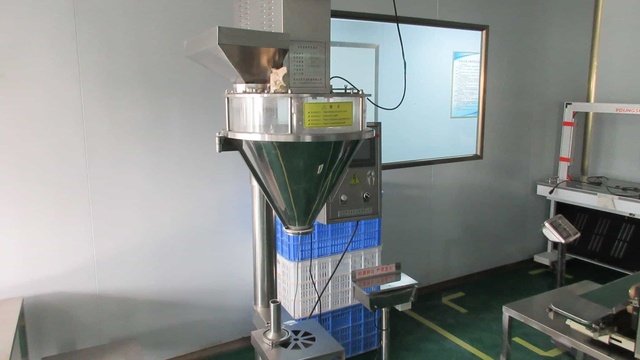
With advanced extraction technologies and strict quality control systems, Bluidge Biology produces a wide range of natural herbal extracts, including water-soluble, oil-soluble, and standardized active ingredients. These botanical materials are widely used in skincare formulations, functional foods, health supplements, and personal care products.
The company integrates modern biotechnology with traditional botanical knowledge to ensure high purity, stability, and bioactivity in every extract. Each product undergoes rigorous testing to meet international quality and safety standards, ensuring consistency and reliability for global customers.
Shenzhen Bluidge Biology Co., Ltd. provides OEM and customized solutions, supporting clients with formulation development, ingredient selection, and bulk supply services. The company is committed to innovation in natural ingredients and sustainable sourcing practices, meeting the growing global demand for clean-label and plant-based solutions.
By combining scientific research, advanced production capabilities, and international service experience, Bluidge Biology has become a trusted partner in the herbal extract industry, delivering high-performance botanical ingredients to customers worldwide.
Navigating global standards, trade barriers, and documentation protocols.
Entering international consumer markets with botanical products requires navigating complex regulatory landscapes. Different regions classify botanical extracts under varying categories (e.g., Dietary Supplements in the USA, Novel Foods or Traditional Herbal Medicines in the EU, and Functional Food Ingredients in East Asia). Working with a manufacturer that understands regional dynamics is essential for seamless compliance.
Key regulatory milestones include:
Addressing key engineering, chemical, and quality assurance questions from industry professionals.
We utilize low-temperature extraction techniques, such as Subcritical Extraction and Vacuum Concentration, alongside fast-cycle Spray Drying. This process keeps target actives below their thermal degradation thresholds, preserving their native biological structure.
Water-soluble powders utilize pure water as the extraction solvent, targeting highly polar molecules like sugars, amino acids, and some glycosides. Solvent-extracted powders use organic mixtures (e.g., ethanol/water) to isolate non-polar, hydrophobic bioactives like terpenes and flavonoids.
Every batch of raw biomass undergoes screening before entering extraction. Our quality control lab uses Inductively Coupled Plasma Mass Spectrometry (ICP-MS) for heavy metals and Gas Chromatography-Tandem Mass Spectrometry (GC-MS/MS) for multi-residue pesticide verification.
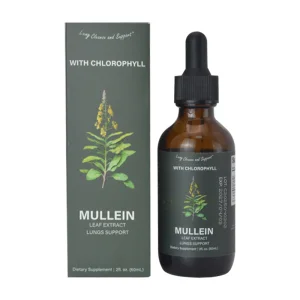
Yes, we provide full support for OEM applications. This includes adjusting solvent ratios, developing custom extract blends, optimizing particle size distribution (mesh), and supplying customized liquid tinctures or powder forms.
Each commercial shipment is accompanied by a batch-specific Certificate of Analysis (CoA), Product Specification Sheet, Material Safety Data Sheet (MSDS), and Certificate of Origin, ensuring regulatory compliance at customs.
We establish long-term partnerships with agricultural cooperatives near raw growing regions. This supports biodiversity, ensures fair pricing models, and provides full transparency for consumers seeking ethical, plant-based products.
Refined specialty ingredients, tinctures, and standardized herbal supplements for performance-driven markets.
 Bluidge Biology