The global demand for botanical active ingredients from the Mediterranean basin has witnessed unprecedented structural growth over the past decade. Characterized by high concentrations of secondary metabolites due to distinct soil conditions, aridity, and sunlight exposure, these plant extracts act as critical components in dietary supplements, clean-label functional foods, advanced cosmeceuticals, and phytotherapeutic medicines. As global regulatory bodies push for more stringent criteria on synthetic inputs, plant species traditionally grown and wild-harvested in Mediterranean microclimates—including Milk Thistle (Silybum marianum), Oregano (Origanum vulgare), Rosemary (Rosmarinus officinalis), and Olive Leaf (Olea europaea)—have emerged as foundational raw materials.
From a global business perspective, the botanical extract sector has shifted from simple botanical powders to standardized, highly purified fractions. Sourcing managers look beyond physical supply to active chemical indicators (e.g., Silymarin HPLC fractions, Carvacrol contents, and polyphenol profiles). Exporters of these ingredients face a dual challenge: maintaining reliable raw material networks within diverse growing regions while executing advanced chemical separation processes to meet tight purity requirements. Global market valuation indicates that the plant-extract supply chain will expand at a compound annual growth rate (CAGR) of over 7.6% through 2030, driven by the consumer shift toward preventive health and clean-label foods.
To remain competitive, top exporter groups are adopting a vertically integrated business structure. By securing sourcing relationships directly with growers and integrating high-capacity bioreactors, leading companies ensure reliable production yields that buffer against volatile harvest seasons. Furthermore, the integration of advanced analytical testing platforms—such as gas chromatography-mass spectrometry (GC-MS) and high-performance liquid chromatography (HPLC)—has become a baseline requirement for compliance audits in North American, European Union, and East Asian jurisdictions.
Modern botanical processing relies on advanced engineering workflows to preserve fragile, heat-sensitive molecules. Historically, extraction depended on high-temperature organic solvent reflux, which often degraded delicate components and left chemical residues. Today's industry standards demand cleaner, more efficient methods designed to target specific molecular weights.
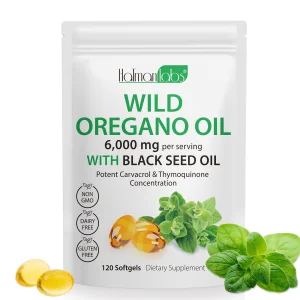
By utilizing carbon dioxide above its critical temperature and pressure, SFE-CO2 operates as a clean solvent that leaves zero residue. This technology is excellent for isolating lipophilic compounds, such as oregano essential oils, carvacrol, and active diterpenes from rosemary leaf.
SWE leverages pressurized water at temperatures between 100°C and 374°C. By adjusting the temperature, the dielectric constant of water can be modified to match various organic solvents, making it highly effective for extracting polar and semi-polar polyphenols.
This method allows processors to isolate individual active molecules, such as separating Silymarin into silybin A and B. Column chromatography provides consistent control over batch purity profiles, ensuring they meet tight pharmaceutical and nutritional specifications.
In addition to the extraction phase, stabilization technologies like micro-encapsulation and spray-drying play a major role in protecting active ingredients. Hydrophobic compounds, such as Silymarin or Oregano Oil, present low oral bioavailability due to poor water solubility. Using carrier matrices—such as gum arabic, maltodextrin, or specialized water-soluble plant nutrition enhancers like Vitamin E TPGS (Tocophersolan)—manufacturers can produce dispersible powders that dissolve quickly in liquid formulations.
Identity verification, moisture control, and pesticide/heavy metal screening.
Supercritical CO2 or subcritical water extraction preserves volatile active agents.
Chromatographic separation isolates standardized active percentages.
Micro-encapsulation transforms liquids into stable, bioactive powder formulas.
The versatility of Mediterranean plant extracts allows them to be used across multiple consumer and industrial sectors. Each industry has unique formulation requirements that determine the physical and chemical state of the botanical ingredients they use:
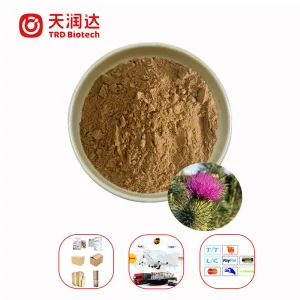
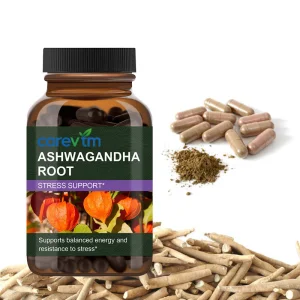
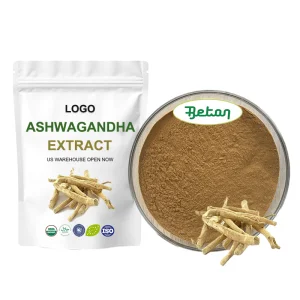
Nutraceuticals & Dietary Supplements: Standardized dry powders are the primary choice for capsules, tablets, and softgels. The main priority is delivering consistent dosages of active markers. For example, Ashwagandha Root Extract (standardized for Withanolides) and Milk Thistle Extract (70% Silymarin UV) require high chemical stability to maintain potency over their commercial shelf life.
Cosmeceuticals & Topical Applications: Skincare and personal care products require botanical extracts that are highly compatible with emulsions. Here, oil-soluble extracts like Natural Crabapple Oil (Malus Fruit Oil) or high-purity antioxidants such as Quercetin / Rutin from Sophora Japonica are integrated into anti-aging creams, barrier repair lotions, and hair care formulations. These ingredients must be free of colorants and strong natural odors to avoid affecting the final product's sensory appeal.
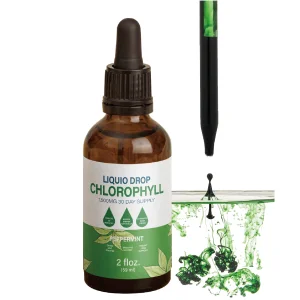
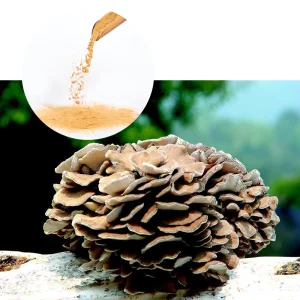
Functional Food & Beverage: This sector requires ingredients that dissolve easily in water and have a neutral flavor. Water-soluble formulations, such as Chlorophyll Liquid Drops or water-dispersible Maitake Mushroom Extract, must remain stable during thermal processing (like pasteurization) and resist sedimentation in ready-to-drink (RTD) beverages.
The future of the plant extract industry is driven by sustainability, green chemistry, and traceabilty. As consumers demand cleaner labels, manufacturers must document their products' path from farm to shelf. Industry trends are focusing on three main developments:
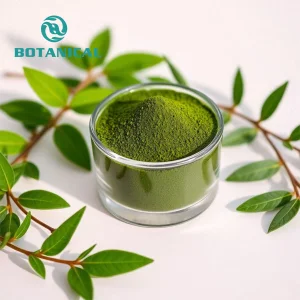
1. Traceable Agriculture & BCI Supply Chains: Leading exporters are partnering with local growers under initiatives like the Better Cotton Initiative (BCI) and Organic Farming Programs. These programs ensure that raw materials like Moringa Leaf or Oregano are grown without synthetic pesticides, protecting soil health and local ecosystems.
2. Enzymatic Biotransformation: By using target enzymes before extraction, manufacturers can break down plant cell walls and convert inactive precursor molecules into active, bioavailable compounds. This technique increases yield while reducing the need for harsh extraction parameters.
3. Upcycled Botanical Sourcing: Using agricultural co-products—such as extracting polyphenols from olive pomace or fruit seeds—allows manufacturers to create high-value ingredients from materials that would otherwise go to waste. This circular economy model reduces waste and provides cost-effective, eco-friendly ingredient options for brands.
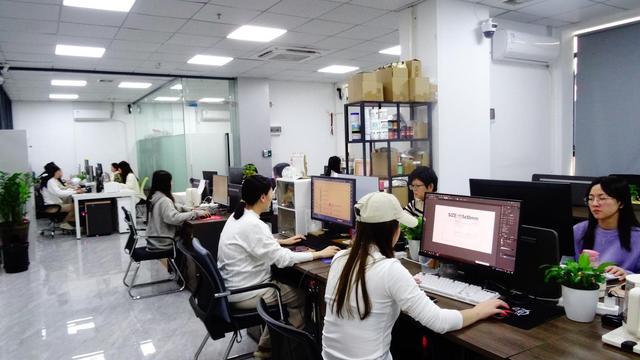
Shenzhen Bluidge Biology Co., Ltd. is a professional herbal extract manufacturer and botanical ingredient supplier based in Shenzhen, China. The company specializes in the research, development, production, and global export of high-quality plant-based extracts for cosmetics, food, dietary supplements, and pharmaceutical applications.
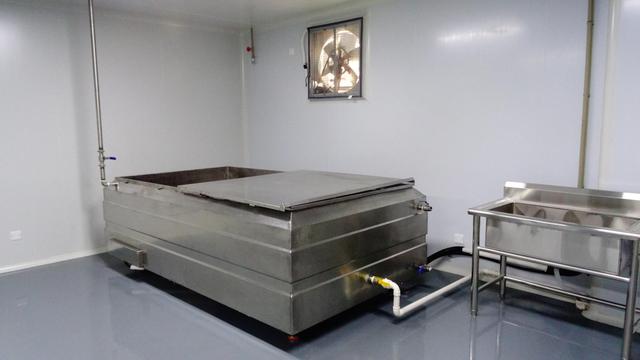
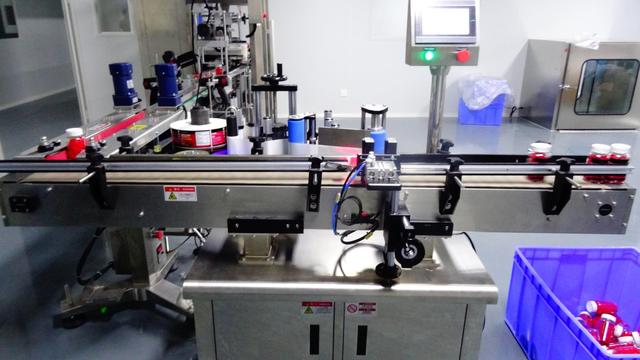
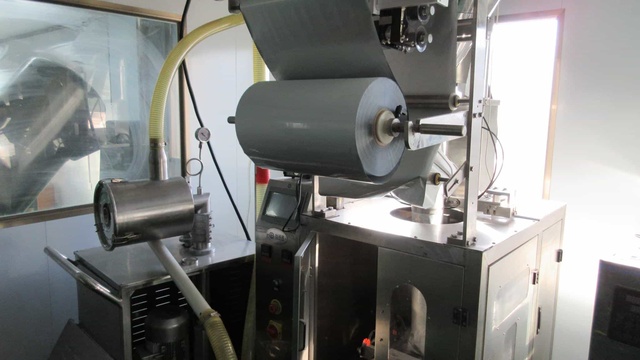
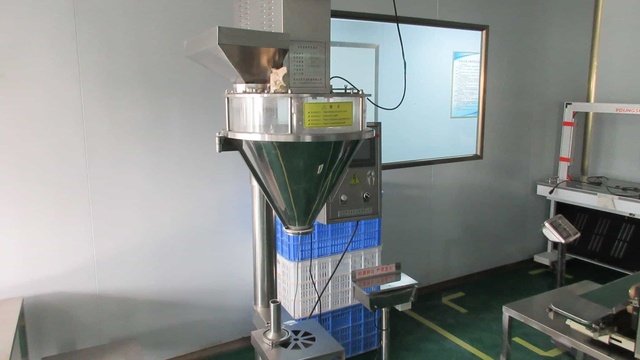
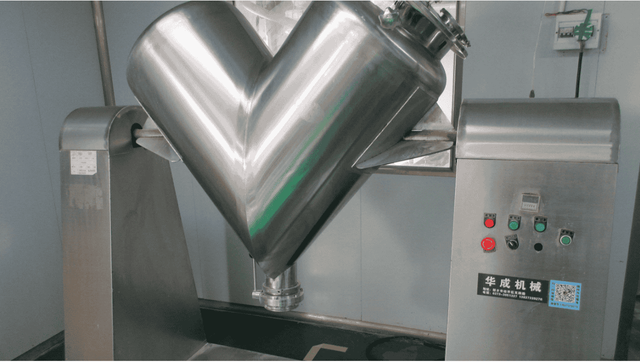
With advanced extraction technologies and strict quality control systems, Bluidge Biology produces a wide range of natural herbal extracts, including water-soluble, oil-soluble, and standardized active ingredients. These botanical materials are widely used in skincare formulations, functional foods, health supplements, and personal care products.
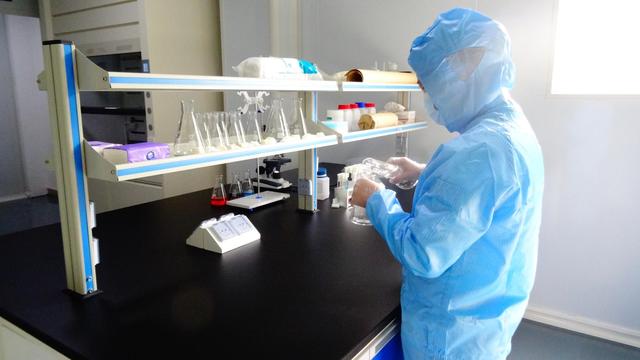
The company integrates modern biotechnology with traditional botanical knowledge to ensure high purity, stability, and bioactivity in every extract. Each product undergoes rigorous testing to meet international quality and safety standards, ensuring consistency and reliability for global customers.
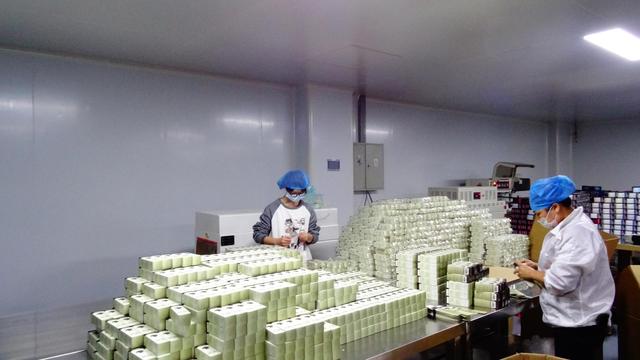
Shenzhen Bluidge Biology Co., Ltd. provides OEM and customized solutions, supporting clients with formulation development, ingredient selection, and bulk supply services. The company is committed to innovation in natural ingredients and sustainable sourcing practices, meeting the growing global demand for clean-label and plant-based solutions.
By combining scientific research, advanced production capabilities, and international service experience, Bluidge Biology has become a trusted partner in the herbal extract industry, delivering high-performance botanical ingredients to customers worldwide.


 Bluidge Biology