Why do herbal extracts vary in potency? The answer often begins with the plant itself. A chamomile flower grown in dry soil may differ from one raised in a cool, shaded field. Harvest timing matters, too. So do the plant part, drying temperature, storage conditions, and extraction solvent. Small changes can alter the mix of active compounds in a finished extract.
Botanical expert Mark Blumenthal, founder and executive director of the American Botanical Council, has long emphasized the importance of reliable herbal quality. A practical summary of that principle is: “An extract is only as consistent as the plant material and process behind it.” This is a paraphrase, not a verified verbatim quotation. That distinction matters. Potency is not always a single number, and a label may not tell the whole story.
For manufacturers and consumers, useful evidence includes botanical identity checks, clear extraction details, and testing for marker compounds. A dark tincture can look convincing. Appearance alone proves little. Even careful testing has limits, and that is worth acknowledging. Plants vary naturally; testing methods can vary, too. Understanding those factors offers a more grounded way to compare extracts without assuming that “stronger” always means better.
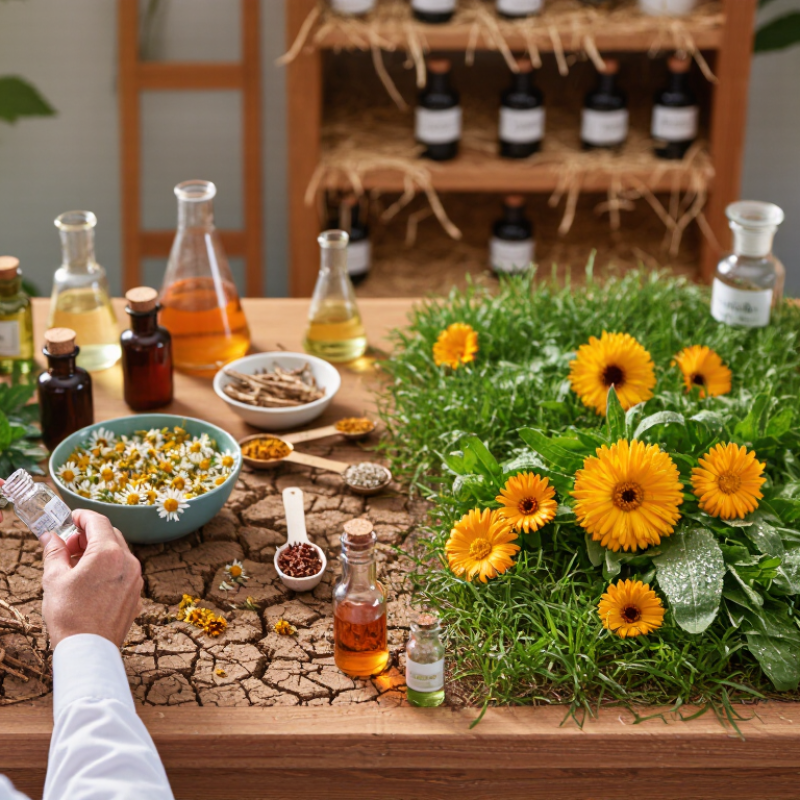
What does herbal extract potency actually mean? It usually describes the strength or concentration of selected plant compounds. It does not always mean the product will work better. A highly concentrated extract may contain more active constituents per serving, but its effects still depend on the herb, preparation, dose, and individual response.
Potency can change when manufacturers use different plant parts, harvest seasons, extraction solvents, or drying methods. For example, a root extract and a leaf extract may carry very different chemical profiles.
Standardized extracts list a target compound or percentage, making comparisons easier. However, standardization does not describe every compound in the plant. That limitation matters.
A reliable label should identify the plant species, plant part, extract ratio, serving size, and testing method. Independent laboratory testing can check identity, purity, and the stated marker compounds. In practice, unclear labels make potency difficult to judge. Even careful comparisons can be messy. The word “strong” sounds more certain than it is.
I once viewed a higher extract ratio as automatically superior. That assumption was too simple. A 10:1 ratio only indicates the starting plant material used during extraction. It does not prove greater biological activity.
Readers should also consider professional guidance, especially when using herbs with medicines or existing health conditions. Research may support a traditional use, but evidence quality can vary. Better questions often begin with “What was measured?” rather than “How powerful is it?”
Herbal extract potency can change before the plant reaches a processing room. Species, soil, rainfall, sunlight, and harvest timing all influence its chemical profile. A leaf picked too early may contain fewer target compounds. Storage matters too. Heat, moisture, oxygen, and light can gradually weaken sensitive constituents. Even two harvests from the same field may not match perfectly.
Extraction methods create another major difference. Solvent type, temperature, extraction time, and plant-to-solvent ratio affect which compounds are collected. A concentrated extract is not automatically a stronger or better extract. Reliable producers identify marker compounds through validated laboratory testing. They also review raw-material identity, moisture, contaminants, and batch records. However, testing methods can differ between laboratories. That detail is easy to overlook.
Tips: Check the botanical name, plant part, extraction ratio, and stated marker compounds. Look for recent, independent test results. Store extracts in a cool, dry, dark place. Follow the labeled serving guidance. Do not compare products using concentration alone. Compare the same plant part and the same testing method. Small print matters.
Even careful control cannot make every batch identical. That is an uncomfortable truth. Potency claims should therefore be viewed as measured ranges, not perfect promises. Clear documentation builds more trust than impressive numbers.
Why Do Herbal Extracts Vary in Potency?
How Plants Are Grown, Harvested, and Stored
A plant’s growing conditions can shape the compounds later measured in its extract. Soil drainage, sunlight, rainfall, and temperature all matter. A crowded plot may produce leaves with different characteristics from plants grown with more space. Even careful growers cannot make every season identical.
Harvest timing matters, too. Leaves picked before flowering may differ from those gathered later, while roots are often collected at a different stage of growth. A simple field check—looking at leaf color, firmness, and signs of stress—can help guide decisions, but it cannot replace consistent records. There is no perfect harvest calendar; that detail is easy to underestimate.
Drying is decisive. Too much heat may affect delicate plant compounds, while slow drying in damp air can encourage spoilage. Once dry, material should be protected from moisture, light, and excessive heat. A paper label with the harvest date and storage conditions can reveal useful patterns across batches. Storage is not passive. Small differences matter. Even well-handled plants can vary, so careful sampling and clear documentation are more reliable than assuming every crop will be the same.
Extraction method can change an herbal extract’s strength before it reaches a bottle. Water favors some compounds; ethanol can draw out others. Solvent concentration, temperature, extraction time, and plant particle size all affect what is captured. A hot, long extraction may increase one marker compound while degrading another. Small details matter.
The European Medicines Agency’s guideline on herbal medicinal product quality calls for control of manufacturing steps and extract specifications, including the drug-extract ratio and extraction solvent. These details help explain why two extracts made from the same plant may differ. But a ratio alone does not guarantee a particular level of active compounds. In a 2013 PNAS survey of 44 North American herbal products, researchers found DNA from unlisted plant species in 59% of samples. That study assessed identity, not potency, so it cannot measure extraction strength directly. Still, it shows why reliable raw-material checks matter. I would not treat a label claim or a high extract ratio as proof of consistent strength; validated marker-compound testing is more informative, though even that may not capture every active constituent.
Herbal extracts are tested by measuring selected compounds, called marker compounds, or by comparing a broader chemical fingerprint. Laboratories may use methods such as high-performance liquid chromatography, chosen to suit the plant and its constituents. A result might report milligrams of a marker per gram of extract. That number is more useful than an extract ratio alone. Ratios describe starting material and output, not necessarily the amount of active constituents. Small details matter: plant part, harvest conditions, drying, and storage can shift results.
Tips: Check whether results refer to the finished extract or raw herb. Look for batch-specific test data, the method used, and clear units. Ask what “standardized” means on the label. It should identify the measured marker and its target range. A certificate of analysis can help, but only if it matches the batch.
Potency testing does not prove that an extract produces a particular health effect. It measures defined chemical features, not a guaranteed response in every person. Separate tests may assess contaminants, moisture, or microbial quality; those do not measure potency. Even careful methods have limits, and different labs may use different markers. That can make comparisons imperfect. A good report explains the test clearly, rather than making a vague promise.
It usually describes the concentration of selected plant compounds. Higher concentration does not always mean better results.
No. It describes the amount of starting plant material used. That is not proof of greater biological activity.
Plant part, harvest season, drying, solvent, temperature, and extraction time can change the compounds captured. Small details matter.
Look for the plant species, plant part, extract ratio, serving size, and testing method. Missing details make comparisons harder.
It identifies a target compound or percentage, which can help compare products. It does not describe every compound in the plant.
Independent testing can check plant identity, purity, and stated marker compounds. Even careful testing has limits.
No. One measured compound may not represent the full extract. I used to assume otherwise; that was too simple.
Effects can vary by preparation, dose, and individual response. Ask a qualified health professional about possible interactions or existing conditions. Evidence quality can vary, too.
Herbal extract potency describes the concentration of desired plant compounds in an extract and how consistently it delivers them. The question “why do herbal extracts vary in potency” has several answers: plant variety, growing conditions, soil, climate, and the maturity of the plant can all influence its chemical composition. Harvest timing also matters, while poor handling or unsuitable storage may gradually affect the compounds present.
Processing choices contribute to further differences. Extraction methods use different combinations of solvents, temperatures, and processing times, which can produce extracts with varying concentrations. Testing helps measure key compounds and assess consistency, while standardization aims to keep selected constituents within a defined range from batch to batch. However, a standardized result does not mean every extract is identical, since natural materials and production conditions can still vary. Understanding these factors helps explain why potency may differ and why clear testing information is important when comparing extracts.

Bluidge Biology