In the evolving landscape of cosmetics, brands are increasingly leaning towards herbal extracts. This shift prompts the question: why do cosmetic brands use herbal extracts? Renowned cosmetic chemist Dr. Ava Chen states, "Herbal extracts not only enhance the efficacy of products but also resonate with consumers’ desire for natural solutions."
Herbal ingredients bring an array of benefits. They offer antioxidants, anti-inflammatory properties, and skin-nourishing qualities. Buyers appreciate these natural attributes, often seeking products that reflect a conscious lifestyle. However, the challenge lies in sourcing these extracts sustainably and ensuring their potency.
Moreover, the effectiveness of herbal extracts can vary. Some brands might lack comprehensive research on their chosen ingredients. This inconsistency can lead to consumer distrust. As brands navigate these complexities, transparency in sourcing and formulation becomes crucial. Understanding why do cosmetic brands use herbal extracts remains essential for both brands and consumers.
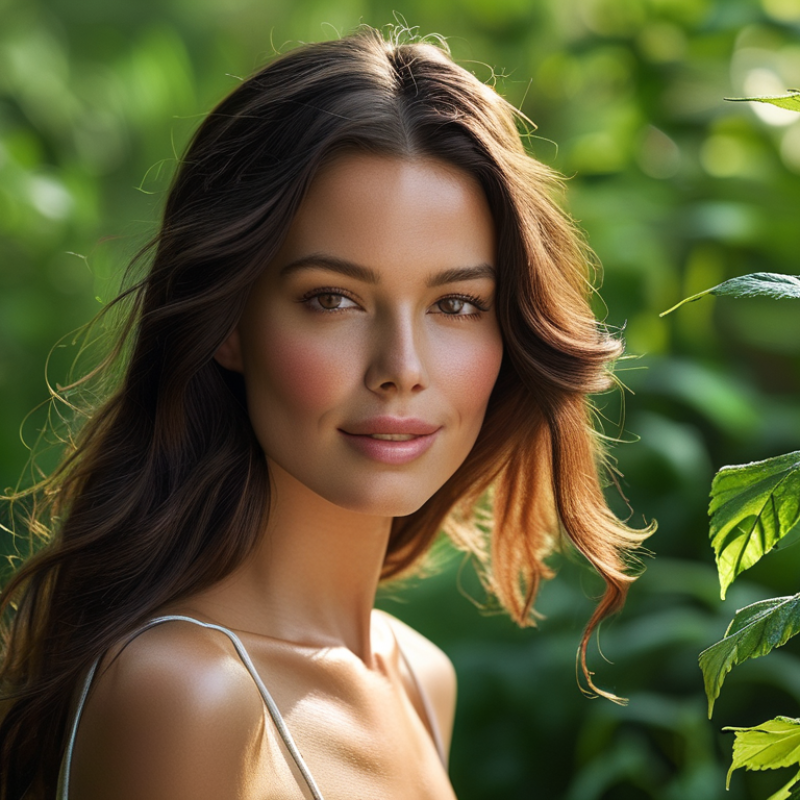
The use of herbal extracts in cosmetics is surging. According to a report by Grand View Research, the global herbal cosmetics market is expected to reach $20 billion by 2027, growing at a CAGR of 9% from 2020. This rise highlights consumer preferences for natural ingredients. Many people seek products that provide benefits without synthetic chemicals.
Herbal extracts offer unique properties. They can soothe, hydrate, and protect the skin. For example, aloe vera is known for its calming effects. Chamomile is another favorite for its anti-inflammatory benefits. These natural ingredients often have fewer side effects, appealing to those with sensitive skin. However, some users may experience allergies to herbal components.
The challenge lies in sourcing and formulation. Not all herbal extracts hold the same potency. Quality varies significantly based on extraction methods. This inconsistency can create risks for brands. It raises questions about efficacy and transparency. As consumers demand more information, brands must be prepared to address these concerns.
| Reason | Description | Benefits |
|---|---|---|
| Natural Ingredients | Herbal extracts are derived from plants, offering a more natural alternative to synthetic ingredients. | Gentler on the skin and reduces the risk of irritation. |
| Sustainability | Many herbal extracts are sourced sustainably, appealing to eco-conscious consumers. | Supports environmental sustainability and aligns with consumer values. |
| Antioxidant Properties | Herbal extracts often contain antioxidants that help protect the skin from damage. | Reduces signs of aging and promotes healthier skin. |
| Skin Nourishment | These extracts are rich in vitamins and minerals that nourish the skin. | Enhances skin health and vitality. |
| Soothing Properties | Many herbal extracts have soothing effects on the skin. | Reduces redness and irritation. |
| Consumer Demand | There is a growing trend toward natural beauty products among consumers. | Increases brand appeal and customer loyalty. |
| Enhanced Formulations | Herbal extracts can enhance the efficacy of cosmetic formulations. | Improves product performance and results. |
| Cultural Significance | Many herbal ingredients have traditional uses and cultural significance. | Connects products to cultural heritage and history. |
| Innovative Marketing | Herbal extracts offer unique selling points for marketing campaigns. | Differentiates products in a competitive market. |
| Research and Development | There's ongoing research supporting the benefits of herbal ingredients. | Increases product credibility and effectiveness. |
: Herbal extracts are used for soothing, hydrating, and protecting the skin. They offer natural benefits without synthetic chemicals.
Consumers prefer products that are gentle on the skin and the environment. Natural ingredients align with these values.
Aloe vera and chamomile are popular for their calming and anti-inflammatory properties. They provide hydration and relief.
Not everyone reacts positively to herbal extracts. Patch testing is important to ensure compatibility and avoid allergies.
The potency of herbal extracts varies. Look for reliable sourcing and effective extraction methods for better quality.
Check for organic or cruelty-free certifications and research the brand’s ethical sourcing. Always read ingredient labels carefully.
Many herbal extracts have antioxidant properties that combat free radicals, potentially reducing premature aging signs.
Inconsistencies in quality and extraction methods create risks for brands, impacting efficacy and transparency for consumers.
Be mindful of how your skin reacts to new herbal products. It can take time to find what works best for you.
Stay updated on the benefits of various herbal extracts. Be skeptical of marketing claims, and research before trying new products.
The article "10 Reasons Why Cosmetic Brands Use Herbal Extracts" explores the increasing trend of incorporating herbal ingredients in cosmetics. It highlights the myriad benefits of herbal extracts for skin health, emphasizing their natural properties that promote wellness and enhance product efficacy. The growing consumer preference for natural and organic beauty products also plays a pivotal role, as people seek safer and environmentally friendly options. Furthermore, the sustainability factor of using herbal components aligns with the eco-conscious values of today’s consumers, making it clear why do cosmetic brands use herbal extracts to meet market demands while contributing positively to the environment.

 Bluidge Biology