How to Store Herbal Extracts Properly from China

Time:2026-11-04 Author:Henry
0%

Herbal extracts can change when exposed to heat, light, moisture, or air. Their stability depends on the plant material, extraction method, and product form. A dry powder in a sealed pouch does not behave like a liquid extract in an opened bottle. That difference matters.

For importers and buyers sourcing herbal extracts from China, storage planning should begin before a shipment arrives. Long transit times, changing temperatures, and humid warehouse conditions can affect product quality. Check the supplier’s label and handling instructions, and review available batch documents for product-specific guidance. Once received, keep containers tightly closed, clean, and protected from direct sunlight. Use dry tools when handling powders, and record opening dates and batch numbers. These simple habits help reduce avoidable exposure and make stock rotation easier.

There is no single rule for every extract. It is tempting to seek one perfect storage temperature, but the right conditions can vary by formulation and packaging. Follow the manufacturer’s instructions rather than guessing or applying advice meant for another product. If the label is unclear, ask the supplier for written guidance before changing storage conditions. Even careful storage cannot undo poor handling before arrival; that point is easy to overlook. This guide explains how to store herbal extracts properly, what to check on arrival, and how to keep everyday handling consistent without making claims that fit every extract.
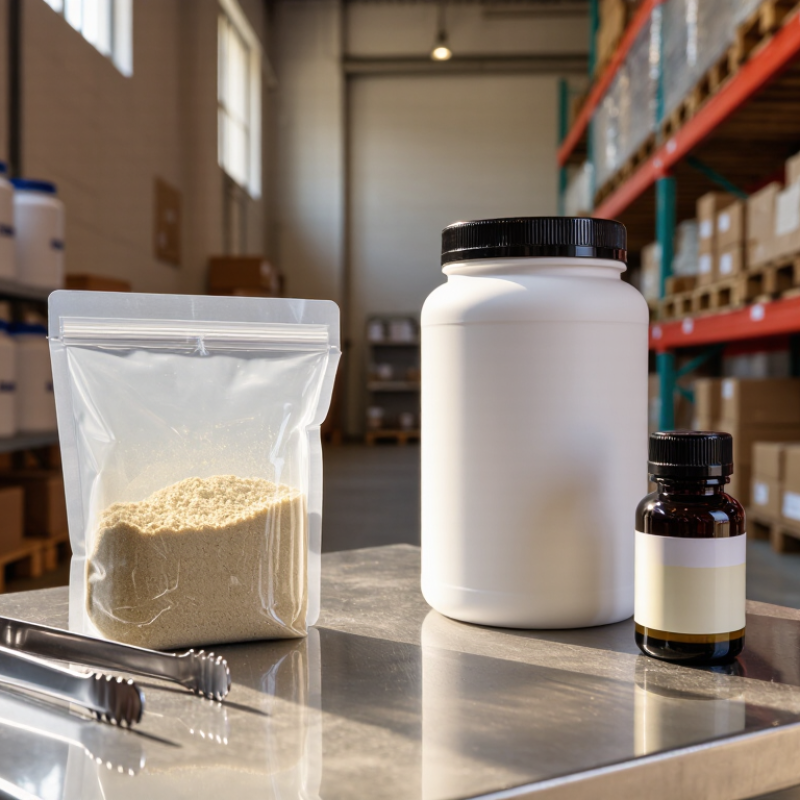
How to Store Herbal Extracts Properly from China

Understanding the Form and Stability of Chinese Herbal Extracts

Chinese herbal extracts may arrive as fine powders, granules, or liquids, and each form has different storage needs. A dry extract can absorb moisture quickly, especially when its pouch is left open in a humid room. Keep it sealed. Use a clean, dry scoop, and avoid returning unused material to the container. Liquid extracts may contain water, alcohol, or other carriers, so their stability cannot be judged by appearance alone. Follow the supplier’s storage instructions and stated shelf life.

Light, heat, air, and moisture can gradually affect color, aroma, and composition. Store extracts in their original, tightly closed packaging, away from windows, cooktops, and damp shelves. A cool, stable cupboard is often more practical than a refrigerator, unless the product label specifically calls for refrigeration; condensation can introduce moisture when a cold container is opened. Check the batch documents for the extract form, carrier, and recommended conditions. Products sourced from China can vary by plant, extraction method, and concentration, so one storage rule will not fit every lot. There is no perfect shortcut. I would also record the opening date, though it is easy to forget, and discard material that shows unexpected dampness, odor, or visible change.

How to Store Herbal Extracts Properly from China

Understanding the form and stability of Chinese herbal extracts starts with following product-specific storage instructions.

The chart shows recognized pharmacopeial storage-temperature bands, not universal requirements for herbal extracts. Powders, granules, and liquid extracts can differ in moisture sensitivity and stability. Check the product label and supplier documentation, and protect extracts from heat, light, and moisture as directed.

Choosing Suitable Containers for Herbal Extract Storage

Choosing a container begins with the extract, not its country of origin. Water-based, alcohol-based, and oily extracts can interact differently with packaging. Amber glass is a practical choice when light sensitivity is a concern, while a well-sealed, compatible polymer container may suit other formulations. Ask the supplier for compatibility data; appearance alone cannot confirm suitability. Small details matter. Check that the closure liner resists the extract and that the cap seals evenly. A loose cap can invite moisture, air, and contamination.

Light protection has measurable value. ICH’s Q1B photostability guideline uses exposure levels of at least 1.2 million lux-hours and 200 watt-hours per square metre of near-ultraviolet light when assessing drug-product sensitivity. These are test conditions, not safe home-storage limits. Still, they explain why opaque or amber containers, closed promptly after use, are sensible options. Keep containers away from sunny windows and heat sources. Labels matter too. Record the extract type, batch, opening date, and storage instructions, then use a clean, dry scoop rather than touching the contents. I would not assume one container suits every extract; that assumption is easy to make, and harder to verify.

Controlling Light, Temperature, Moisture, and Air Exposure

How to Store Herbal Extracts Properly from China
Controlling Light, Temperature, Moisture, and Air Exposure

Herbal extracts can respond differently to storage conditions, depending on their form and ingredients. Keep the supplier’s instructions with the product, and use them as your main guide. Light can gradually affect sensitive compounds, so store extracts in their original, tightly closed packaging. A cool, dark cupboard away from sunny windows is often practical. Avoid leaving containers on a bright kitchen counter.

Stable conditions matter. Keep extracts away from ovens, radiators, and temperature swings, such as a hot car followed by a cool room. Refrigeration is not always suitable; condensation may introduce moisture when a cold container is opened. Use a dry spoon or clean scoop, and close the lid promptly. Limit repeated opening, since air and humidity can affect some preparations. I would not judge quality by appearance alone; check the product guidance if its color, texture, or odor changes noticeably.

Tips: Write the opening date on the container. Store it upright and away from sinks. Check the seal regularly. Small habits matter. Even careful storage cannot compensate for unclear product-specific instructions, so ask the supplier when conditions are uncertain.

How to Store Herbal Extracts Properly from China - Controlling Light, Temperature, Moisture, and Air Exposure

General storage guidance for herbal extracts. Product-specific instructions, packaging details, and the supplier’s stated shelf life take precedence, as stability varies by extract, carrier, and formulation.

Storage factor Practical guidance Useful checks Important considerations
Light Keep extracts in their original, tightly closed container, preferably an opaque or light-protective package. Store the container inside a closed cupboard or carton, away from direct sunlight. Check that the container is not clear or left exposed near windows, bright lamps, or other strong light sources. Some botanical compounds are sensitive to light. Do not transfer an extract to a clear container unless the product’s storage instructions permit it.
Temperature Use a cool, stable storage area and follow the temperature range on the product label or technical documentation. For many dry extracts, ordinary controlled room temperature is suitable when the supplier specifies it. Keep products away from heaters, ovens, hot pipes, vehicles, and locations with frequent temperature swings. Use a thermometer where temperature control matters. Do not assume refrigeration is appropriate for every extract. If refrigeration is specifically required, keep the container sealed while it warms to room temperature to reduce condensation.
Moisture and humidity Store dry powders in a dry area and close the lid promptly after each use. Keep scoops and utensils clean and completely dry; use the supplied moisture barrier or desiccant only as directed. Inspect for clumping, dampness, package damage, or visible mold. Keep containers off wet floors and away from sinks, steam, and wash areas. Powdered extracts can absorb moisture, which may affect flow and product quality. Do not add water or replace a desiccant with an unsuitable material.
Air and oxygen exposure Reseal containers immediately after dispensing. Choose packaging with a secure closure and avoid leaving a large container open while weighing or transferring material. Check seals and closures for damage, leakage, or poor fit. For bulk quantities, consider dividing the product into suitable, clean, airtight containers to limit repeated opening. Repeated exposure to air can increase oxidation risk for some ingredients. Do not vacuum-seal or use oxygen absorbers unless the supplier confirms they are suitable for that formulation.
Packaging and handling Retain the original label, lot number, and packaging information. Use clean, dry handling tools and keep the container closed during storage and transport. Record the product name, lot or batch number, receipt date, and opening date where appropriate. Check packaging integrity when goods arrive. If transferring material is necessary, use a clean, dry, food- or product-compatible container and transfer the original identification details accurately.
Liquids and specialty extracts Follow the product-specific label for liquid, glycerin-based, oil-based, or solvent-containing extracts. Keep the original cap and seal intact between uses. Look for leakage, unexpected changes in appearance or odor, or a broken seal. Do not use a product if its packaging or condition raises a safety concern. Storage needs differ by solvent and formulation. Do not apply dry-powder storage assumptions to liquid extracts or alter the container without supplier guidance.
Shelf life and stock rotation Follow the stated expiry or retest date and storage conditions. Use a first-expiring, first-out approach when organizing inventory. Review dates and package condition during routine stock checks; keep older eligible lots easy to identify and access. There is no universal shelf life for all herbal extracts. Do not extend a date based solely on appearance or on general storage guidance.

Labeling Extracts and Tracking Storage Conditions

For herbal extracts from China, a useful label does more than identify the plant. Record the botanical name, plant part, extraction solvent, extract ratio, batch number, and packaging date. Add the storage limits supplied by the producer, such as temperature, humidity, and light exposure. Keep the label readable after handling. A damp carton can blur ink. That small failure matters.

Track conditions where the extract actually sits, not just where the warehouse thermostat is mounted. Log temperature and relative humidity with a calibrated data logger, and note readings during receiving, storage, and dispatch. ICH Q1A(R2) uses long-term stability conditions of 25°C ± 2°C/60% ± 5% relative humidity, or 30°C ± 2°C/65% ± 5%, and accelerated conditions of 40°C ± 2°C/75% ± 5%. These are drug-stability testing benchmarks, not universal storage instructions for every botanical extract. Follow product-specific specifications. Keep records linked to each batch, including excursions and corrective actions. I sometimes find a handwritten “cool, dry place” note too vague to guide a real shift. Better to state the actual range, review logger data routinely, and investigate unexplained gaps. A gap is still information.

Checking Extract Quality and Following Safe Handling Practices

How to Store Herbal Extracts Properly from China

Checking Extract Quality and Following Safe Handling Practices

When receiving an herbal extract from China, check the lot number, botanical name, extraction details, and certificate of analysis. Confirm that the listed assay, moisture level, and microbial results match the purchase specification. Examine the seal and container for leaks, swelling, or moisture. A clean label is not proof of quality. Keep the supplier’s test documents with the batch record, and resolve unclear results before use.

Tips: Store extracts in tightly closed, clearly labeled containers, away from sunlight, heat, and damp areas. Use clean, dry scoops; avoid touching product with bare hands. Keep powders from puffing into the air. Cap threads are easy to overlook, yet residue there can compromise a seal. Use the storage conditions on the product documentation, rather than assuming every extract belongs in a refrigerator.

For added context, ICH Q1A(R2) sets pharmaceutical stability-testing conditions that include accelerated testing at 40°C and 75% relative humidity for six months. These are testing conditions, not universal storage instructions for herbal extracts. Extracts differ by composition and packaging, so follow product-specific stability data. Record room conditions and inspect containers periodically. If appearance, odor, or texture changes, quarantine the batch and request technical review. A visual check alone cannot establish safety.

FAQS

What container should I use for an herbal extract?

Choose packaging that suits the extract’s water, alcohol, or oil base. Amber glass can help limit light exposure. A compatible, tightly sealed polymer container may also work. Ask for compatibility data; appearance alone is not enough.

Where should I store herbal extracts?

Use a cool, dark cupboard away from sunny windows, ovens, and radiators. Keep the container upright and away from sinks. Small details matter.

Should every herbal extract be refrigerated?

No. Follow the product’s storage instructions. A cold container may collect condensation when opened, adding unwanted moisture. Refrigeration is not automatically better.

How can I reduce air and moisture exposure?

Use a clean, dry scoop and close the lid promptly. Limit repeated opening. Check the cap and liner for residue or uneven sealing. Easy to miss.

What information should I record on the label?

Note the extract type, batch or lot number, and opening date. Keep storage instructions nearby. A tidy label helps, but it does not prove quality.

What should I check when an extract arrives?

Verify the botanical name, extraction details, and certificate of analysis. Compare test results with the purchase specifications. Inspect the seal for leaks, swelling, or moisture.

What should I do if the extract changes appearance or smell?

Do not rely on appearance alone to judge quality. If color, odor, or texture changes noticeably, separate the batch and request technical review. I might be tempted to dismiss a small change, but that is not a sound check.

Are stability-testing conditions the same as storage instructions?

No. Testing temperatures and humidity describe specific test conditions, not universal storage rules. Follow product-specific stability data. When instructions are unclear, ask the supplier.

Conclusion

Understanding how to store herbal extracts properly starts with recognizing that powders, liquids, and concentrated preparations may respond differently to heat, light, moisture, and air. Choose clean, dry, tightly sealed containers made from materials suitable for the extract’s form, and avoid transferring products into containers that may retain residue or allow contamination. Store extracts in a cool, dry place away from direct sunlight and strong odors, following any specific handling guidance provided with the product.

Clear labels can help identify each extract and record its form, date received or opened, and storage conditions. Keep a simple storage log so changes in temperature or other conditions can be reviewed when needed. Check extracts regularly for unusual changes in appearance, smell, texture, or packaging. Handle them with clean, dry tools, reseal containers promptly, and keep them separate from incompatible materials. These practices support orderly storage and help maintain extract quality over time.

Henry

Henry

Henry is a dedicated marketing professional with a profound expertise in the company's offerings. With years of experience in the industry, he possesses an impressive understanding of the market dynamics and consumer behaviors that drive success. Henry is committed to sharing his insights through......