In recent years, the demand for herbal products has surged. This rise prompts a closer look at how is herbal extraction process done industrially. Dr. Emily Hart, a leading consultant in herbal sciences, notes, “The extraction process is critical for retaining the plant's bioactive compounds.”
Industrial herbal extraction employs various methods. Each technique has its unique benefits. For instance, solvent extraction ensures maximum yield, while steam distillation protects delicate phytonutrients. These methods require precision and careful handling to maintain product integrity.
Yet, challenges persist. Some extraction processes may undermine the quality of herbal products. It's essential to evaluate which method best suits specific plants. Without proper knowledge, producers might face significant losses. The quest for optimal extraction showcases the complexity and importance of this industry. Understanding these processes is vital for anyone interested in herbal product efficacy.
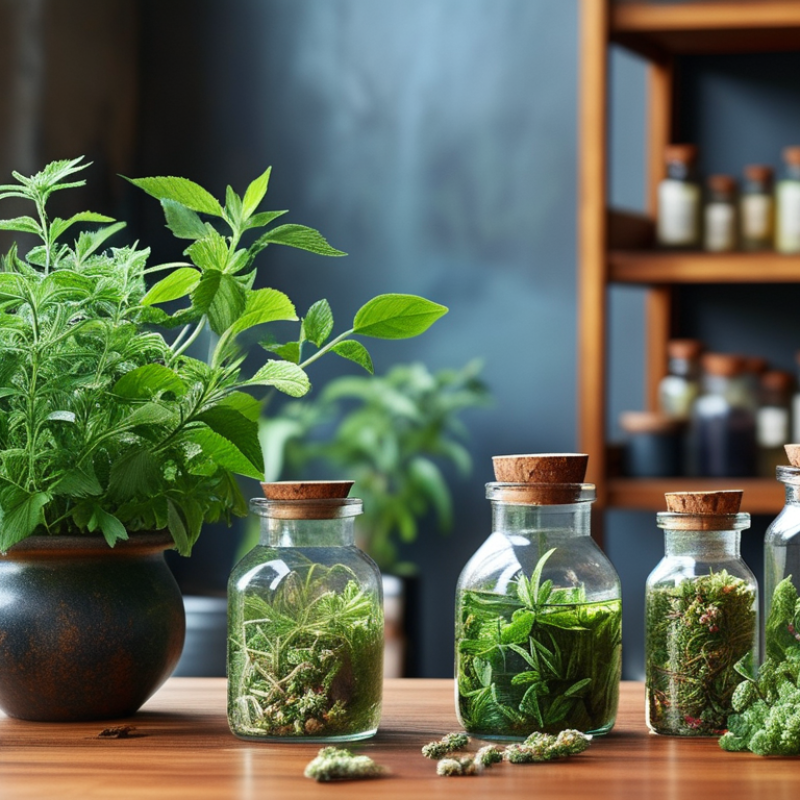
Overview of Industrial Herbal Extraction Processes
Industrial herbal extraction processes are essential for obtaining valuable compounds from plants. These methods ensure that the integrity of the herbs is maintained while maximizing yield. The common techniques include steam distillation, solvent extraction, and cold pressing. Each method has its own unique advantages and disadvantages, impacting both the quality and application of the extracted compounds.
Steam distillation is one of the oldest methods used in herbal extraction. It utilizes heat to separate essential oils from the plant material. While effective, this method can alter some sensitive compounds. Solvent extraction, on the other hand, employs various solvents to dissolve desired compounds from the plant. This approach can yield a more concentrated extract but poses risks regarding solvent residues in the final product. Cold pressing maintains the integrity of oils but is limited to certain plant types.
One might question the sustainability of these methods. The use of high temperatures or chemicals can potentially harm the environment and the plant’s ecosystem. Furthermore, there’s ongoing debate about the best practices for achieving purity and safety. Understanding the complexities of each extraction method enables industry professionals to make informed choices that align with both quality and sustainability.
Common Methods of Herbal Extraction Explained
Herbal extraction is pivotal in various industries, particularly in pharmaceuticals and food. Understanding common methods helps in appreciating their value. Solvent extraction is one popular approach. It uses a solvent to dissolve the desired compounds from plant materials. A recent industry report indicates that solvent extraction accounts for more than 60% of herbal extractions due to its efficiency.
Steam distillation is another widely used technique. This method utilizes steam to separate essential oils from plant matter. Research shows that this technique is reliable but can sometimes result in lower yields of sensitive compounds. Ultrasonic extraction is gaining traction. It uses high-frequency sound waves to agitate the plant material, improving extraction efficiency. However, there is still ongoing debate about the long-term effects of this method on the extracted compounds.
While these methods show promise, challenges remain. Quality control is crucial, as variations in plant materials can affect outcomes. Additionally, the choice of solvent can lead to concerns regarding safety and environmental impacts. Continuous improvements in extraction processes are vital to meet industry standards and consumer preferences. The herbal extraction field is dynamic, demanding constant reflection and adaptation from researchers and manufacturers alike.
Top Methods of Industrial Herbal Extraction Process
This chart illustrates the efficiency of various herbal extraction methods used in the industry. The data represents the average yield percentage of active compounds from herbal materials using different extraction processes.
Key Equipment Used in Herbal Extraction Techniques
Herbal extraction techniques require specific equipment tailored for efficiency and effectiveness. One key device is the extractor, which uses various solvents to separate active compounds from plant material. Common types include Soxhlet extractors and microwave-assisted extractors. These devices optimize extraction time and yield, helping manufacturers obtain high-quality extracts.
Pressure vessels also play a critical role in herbal extraction. These vessels allow for the extraction of compounds under controlled temperatures and pressures. Such conditions can enhance the solubility of target compounds, improving yields. Each vessel must be operated meticulously to avoid potential safety risks.
In addition to extractors and pressure vessels, filtration systems are essential. They separate solids from liquids after extraction, ensuring purity in the final product. Regular maintenance and cleaning of these systems are crucial to prevent contamination. Attention to detail in equipment operation can significantly affect the quality and reliability of the herbal extracts.
Top Methods of Industrial Herbal Extraction Process Explained
| Extraction Method |
Description |
Key Equipment |
Applications |
| Steam Distillation |
Uses steam to vaporize volatile compounds and then condenses them back into liquid. |
Distillation apparatus, Condenser |
Essential oils, Aromatherapy |
| Cold Press Extraction |
Extracts oil from seeds and fruits using mechanical pressure without heat. |
Hydraulic press |
Citrus oils, Nut oils |
| Solvent Extraction |
Uses solvents to dissolve desired compounds, then separates them from the solvent. |
Extraction tank, Rotary evaporator |
Herbal medicines, Flavorings |
| Supercritical Fluid Extraction (SFE) |
Uses supercritical fluids (like CO2) to extract compounds without solvents. |
SFE machine, CO2 supply |
Pharmaceuticals, Dietary supplements |
| Maceration |
Soaking plant material in a solvent to facilitate extraction. |
Maceration tank |
Tinctures, Herbal extracts |
Factors Influencing Herbal Extraction Efficiency
Herbal extraction efficiency is influenced by various factors.
Temperature plays a critical role in this process. Higher temperatures can enhance solubility but may lead to degradation of sensitive compounds. This requires careful monitoring during extraction.
The choice of solvent also significantly impacts the quality of the extract. Different solvents target specific compounds within the plant material. Water, alcohol, and oils each interact differently with the phytochemicals. Selecting the appropriate solvent is essential for maximizing output.
Additionally, extraction time cannot be overlooked. Prolonged extraction can sometimes yield diminishing returns. Shorter extraction periods might not extract enough active ingredients. This complex balance must be achieved to optimize extraction processes. Observing these elements carefully can lead to better outcomes in herbal extraction, but there's always room for improvement. Each extraction will vary based on plant type and desired properties.
Quality Control in Herbal Extraction Processes
Quality control in herbal extraction processes is vital for ensuring the efficacy and safety of herbal products. With the rise of herbal medicine, maintaining high standards is essential. According to a recent report from the World Health Organization, around 80% of people in developing countries use traditional medicine. This emphasizes the need for reliable extraction methods.
Analytical techniques like High-Performance Liquid Chromatography (HPLC) are often employed. They help to identify active compounds and confirm their concentrations. Research suggests that improper extraction can alter the chemical profile of herbs, potentially compromising their therapeutic effects. A report by the American Herbal Products Association reveals that nearly 30% of herbal supplements do not meet quality standards. This raises concerns about consumer safety and product integrity.
Standardizing extraction processes can mitigate these issues but is not without challenges. Variability in raw materials can greatly affect outcomes. The environmental conditions in which herbs are grown also play a crucial role. Factors like soil quality, light, and climate can influence the potency of the final product. Continuous monitoring of these variables is necessary for consistent quality. Without it, consumers may not receive the benefits they expect.
Conclusion
The article delves into the intricate processes involved in industrial herbal extraction, addressing "how is herbal extraction process done industrially." It begins with an overview of various extraction techniques that are vital in the industry, highlighting common methods such as steam distillation, solvent extraction, and cold pressing. Each method is explained in detail, showcasing how they effectively isolate essential compounds from herbs.
Moreover, the article discusses key equipment utilized in these extraction processes, such as extracting vessels and purifiers, which enhance efficiency and yield. Factors influencing extraction efficiency, like temperature, pressure, and solvent choice, are also examined, alongside the significance of implementing strict quality control measures to ensure the purity and potency of the final herbal products. This comprehensive exploration provides valuable insights into the complexities and technologies behind industrial herbal extraction.

 Bluidge Biology