7 Tips on How Herbal Extracts Are Used in Aromatherapy?

Time:2026-10-09 Author:Sophia
0%

Herbal extracts have shaped aromatherapy for centuries, but their safe use requires more than pleasant fragrances. This guide explores how are herbal extracts used in aromatherapy through seven practical tips. It considers essential oils, infused oils, hydrosols, and other plant-based preparations. Each form behaves differently on the skin, in a diffuser, or during inhalation.

Robert Tisserand, a leading aromatherapy educator and co-author of Essential Oil Safety, states, “Essential oils are highly concentrated plant extracts.” That simple warning matters. A single drop can scent a room, yet the same drop may irritate sensitive skin when poorly diluted. Good practice includes checking botanical names, extraction methods, batch information, and recommended dilution levels. It also means choosing ventilation over heavy, continuous diffusion.

Small details matter. A cool-mist diffuser should not run beside a sleeping infant. A massage blend needs a measured carrier oil, not guesswork. Hydrosols may feel gentle, but they still require clean storage and careful labeling. Some advice online sounds confident. It is not always reliable.

This introduction also recognizes a limitation: traditional use does not automatically prove clinical effectiveness. Research remains uneven for many herbal preparations. Readers should consider allergies, asthma, pregnancy, medication interactions, pets, and professional guidance before use. The seven tips will connect practical experience with safety-focused evidence, helping readers understand where herbal extracts may support an aromatic routine—and where restraint is the wiser choice.
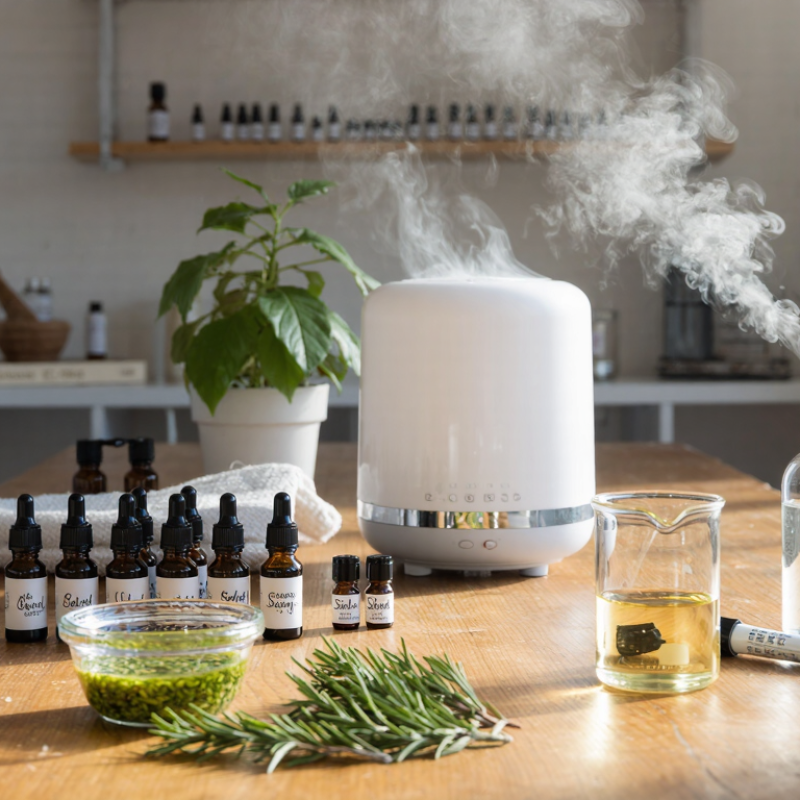
7 Tips on How Herbal Extracts Are Used in Aromatherapy?

What Herbal Extracts Are and How They Work in Aromatherapy

Herbal extracts are concentrated plant materials made with water, alcohol, glycerin, or other solvents. They contain compounds that may not evaporate easily. Essential oils are different because they mainly contain volatile aromatic molecules. This distinction matters in aromatherapy. An extract may suit a massage blend or cream, but it may not work safely in a diffuser. Check the preparation method, concentration, and intended route before use.

Aromatic molecules can stimulate smell receptors and influence brain areas linked with emotion, memory, and autonomic responses. Skin application may provide local sensory effects, although absorption varies widely. Evidence remains uneven. The National Center for Complementary and Integrative Health notes that research on aromatherapy is still limited for many health conditions. A 2024 Grand View Research report estimated the global aromatherapy market at about USD 1.7 billion in 2023, showing strong interest, not clinical proof.

Use clear labels, dilute topical products, and perform a small patch test. Avoid eyes, damaged skin, and poorly ventilated rooms. Keep products away from children and pets. Stop if irritation, headache, or breathing discomfort appears. Natural does not mean harmless. I once viewed plant-based ingredients as automatically gentle; that assumption needs correction. Consult a qualified healthcare professional during pregnancy, with allergies, or when taking medication. Choose one extract at a time, record the amount used, and observe the response. Simple notes can reveal whether the aroma helps or merely feels pleasant.

How to Select Herbal Extracts for Different Aromatherapy Goals

How to Select Herbal Extracts for Different Aromatherapy Goals

Choose the extract by purpose, not popularity. For relaxation, lavender or chamomile extracts may suit a quiet evening. For mental freshness, rosemary or peppermint may feel more suitable. Aromatherapy is personal. Track one response at a time.

Tip 1:
Check the botanical name and plant part.
Tip 2:
Prefer products with batch testing and extraction details.
Tip 3:
Match the scent to the setting, such as a diffuser or diluted massage blend.

Use a carrier oil for skin application. Never assume a natural extract is automatically gentle.

A 2024 safety review in the International Journal of Risk & Safety in Medicine noted that concentration, exposure time, and individual sensitivity can change adverse reactions.

Perform a small patch test first. Avoid eyes, damaged skin, and internal use without qualified medical guidance. Children, pregnant people, older adults, and people taking medication need extra caution.

Evidence remains uneven. The Global Wellness Institute’s 2024 Global Wellness Economy Monitor valued the wellness economy at 6.3 trillion dollars in 2023, showing strong consumer interest, not clinical proof.

Grand View Research reports continued double-digit growth projections for the aromatherapy market through 2030. Growth is not evidence.

My practical rule is simple: select a clearly identified extract, use the lowest effective concentration, and record how your body responds. Some choices may still be wrong. Reassess them.

How Herbal Extracts Are Prepared and Blended for Use

How Herbal Extracts Are Prepared and Blended for Use

Herbal extracts should begin with correctly identified plant material. Record the botanical name, plant part, extraction method, batch number, and preparation date. Dried herbs may be infused into a stable carrier oil, while glycerin or alcohol extracts require different handling. They are not automatically suitable for inhalation or skin use. Choose only extracts made for the intended application.

Keep it gentle. Strain infused oils through a clean filter, then store them in a dark, tightly closed bottle. Excess moisture can encourage spoilage. Before blending, check the extract’s aroma, color, texture, and expiration guidance. A trained formulator may combine an herbal infusion with selected essential oils and a carrier oil. Measure every drop. A low dilution is often more appropriate for facial products, sensitive skin, and first-time users.

One practical blend might pair a calendula-infused oil with a small amount of lavender essential oil in a neutral carrier. The exact ratio depends on the extract, skin condition, and intended use. My early mixtures were sometimes too strong because the scent seemed mild at first. That was a useful mistake. Aroma can develop after several minutes. Patch testing is essential, and irritation means stopping immediately. Avoid eyes, broken skin, and ingestion unless a qualified professional provides specific guidance. Children, pregnancy, allergies, and ongoing medical treatment require extra caution.

How to Apply Herbal Extracts Safely in Aromatherapy

Herbal extracts need careful handling in aromatherapy because “natural” does not mean risk-free. The U.S. National Center for Complementary and Integrative Health notes that evidence for aromatherapy benefits remains limited, while skin irritation and allergic reactions are recognized concerns. Use a clearly labeled extract from a reliable supplier. Follow its safety sheet, not online dosage guesses.

For topical use, dilute concentrated aromatic extracts in a suitable carrier oil. A 1% dilution means about one drop per teaspoon of carrier oil, although sensitive users may need less. Perform a patch test on the inner forearm and observe the area for 24 hours. Stop immediately if burning, swelling, wheezing, or persistent redness appears. Never apply an unfamiliar extract near the eyes, inside the nose, or to damaged skin. Avoid ingestion unless a qualified healthcare professional specifically advises it. Some citrus extracts can increase sun sensitivity, according to safety guidance from the European Medicines Agency. Keep the bottle sealed, shaded, and away from children and pets. Ventilate the room during diffusion, and use short sessions rather than continuous exposure. My own caution is simple: pleasant scent can hide excessive concentration. Safety instructions are sometimes incomplete, so professional advice remains necessary for pregnancy, asthma, allergies, or medication use.

How to Store Herbal Extracts and Evaluate Their Effects

Herbal extracts can lose quality when exposed to heat, sunlight, air, or moisture. Store them in tightly closed, dark glass containers. A cool, dry cupboard works better than a bathroom shelf. Label each bottle with its plant name, extraction method, and opening date. Keep bottles away from children, pets, and food. Some extracts change color or smell as they oxidize. Do not use them when the scent becomes rancid, sharp, or unexpectedly sour.

I used to judge freshness by appearance alone. That was not enough. Aromatic compounds may weaken before visible changes appear. Check the original texture and aroma before each use. Keep droppers clean, and never touch them to skin or wet surfaces. Smaller containers can reduce repeated air exposure, although this creates more packaging waste.

Evaluate effects with a simple record. Write down the amount used, dilution, time, room conditions, and your response. A quiet evening may feel different from a stressful workday. Test diluted topical applications on a small skin area first. Stop if burning, rash, headache, breathing discomfort, or nausea occurs. Avoid applying concentrated extracts directly to skin or using them near the eyes. Evidence for relaxation may vary between people, so describe changes carefully rather than promising treatment. Consultation with a qualified healthcare professional matters during pregnancy, with allergies, or when taking medication. My notes are still imperfect, but consistent tracking reveals patterns that memory often misses.

FAQS

How should I choose a herbal extract for relaxation or mental freshness?

Choose by purpose, not popularity. Lavender or chamomile may suit a quiet evening. Rosemary or peppermint may feel more refreshing. Responses differ.

What information should I check before buying an extract?

Check the botanical name, plant part, extraction method, batch number, and intended use. Prefer clear testing details. Labels can still be incomplete.

Can every herbal extract be used on skin or in a diffuser?

No. Glycerin, alcohol, and oil-based extracts require different handling. Use only products prepared for the chosen application. Natural does not mean gentle.

How should I prepare a topical blend?

Dilute the extract with a suitable carrier oil. Measure every drop. Use a lower dilution for facial products and sensitive skin. Avoid guessing.

What patch-testing method is practical?

Apply a small, diluted amount to one skin area. Wait and observe. Stop immediately if burning, rash, headache, nausea, or breathing discomfort occurs.

Who needs extra caution with herbal extracts?

Children, pregnant people, older adults, allergy sufferers, and people taking medication need professional guidance. Avoid eyes, broken skin, and internal use.

How should I store herbal extracts?

Use tightly closed, dark glass containers. Keep them in a cool, dry cupboard. Label the plant name and opening date. Avoid bathrooms and sunlight.

How can I judge whether an extract remains usable?

Check its original aroma, color, and texture before use. Discard it if the scent becomes rancid, sharp, or sour. Appearance alone can mislead.

How can I evaluate an extract’s effects honestly?

Record the amount, dilution, time, room conditions, and physical response. A calm evening may feel different from a stressful workday. My notes remain imperfect, but patterns become clearer.

Conclusion

Herbal extracts are concentrated plant preparations that capture aromatic compounds and other natural constituents from flowers, leaves, roots, or seeds. In aromatherapy, they may be selected according to specific goals, such as relaxation, refreshing the mind, supporting a calming bedtime routine, or creating a pleasant atmosphere. Understanding how are herbal extracts used in aromatherapy begins with choosing an extract whose characteristics match the intended purpose, while considering aroma strength, personal preferences, and possible sensitivities.

This overview explains how herbal extracts can be prepared through methods such as infusion, dilution, or blending with suitable carrier materials. It also highlights safe application practices, including proper dilution, patch testing, avoiding sensitive areas, and following product instructions. Finally, herbal extracts should be stored in tightly sealed, light-resistant containers away from heat and moisture. Observing changes in scent, appearance, and personal response can help users evaluate freshness and effectiveness, while keeping expectations realistic and prioritizing careful, responsible use.

Sophia

Sophia

Sophia is a dedicated marketing professional with an exceptional depth of knowledge about her company's products and services. With a keen understanding of market trends and customer needs, she crafts insightful blog posts that not only inform but also engage readers, enriching the company’s online......