Herbal extracts have played a significant role in traditional medicine across the globe. Many cultures have relied on these natural remedies for centuries. According to a 2019 report by the World Health Organization, over 80% of the world’s population still utilizes herbal medicine for health purposes. This highlights the growing interest in understanding how are herbal extracts used in traditional medicine.
These extracts come from various plant parts, including leaves, roots, and flowers. They are believed to possess healing properties that address a wide range of ailments. For instance, an analysis published in the Journal of Herbal Medicine noted that chamomile extracts are commonly used to promote relaxation and improve sleep quality. However, despite these recognized benefits, the efficacy of herbal treatments often lacks rigorous scientific validation.
Furthermore, as we explore how are herbal extracts used in traditional medicine, it is essential to remain critical. Some herbs may cause adverse reactions or interact negatively with conventional drugs. Therefore, reliable sources and thorough research are vital for safe usage. Balancing traditional knowledge with modern science can offer a more comprehensive understanding of herbal medicine's true potential and pitfalls.
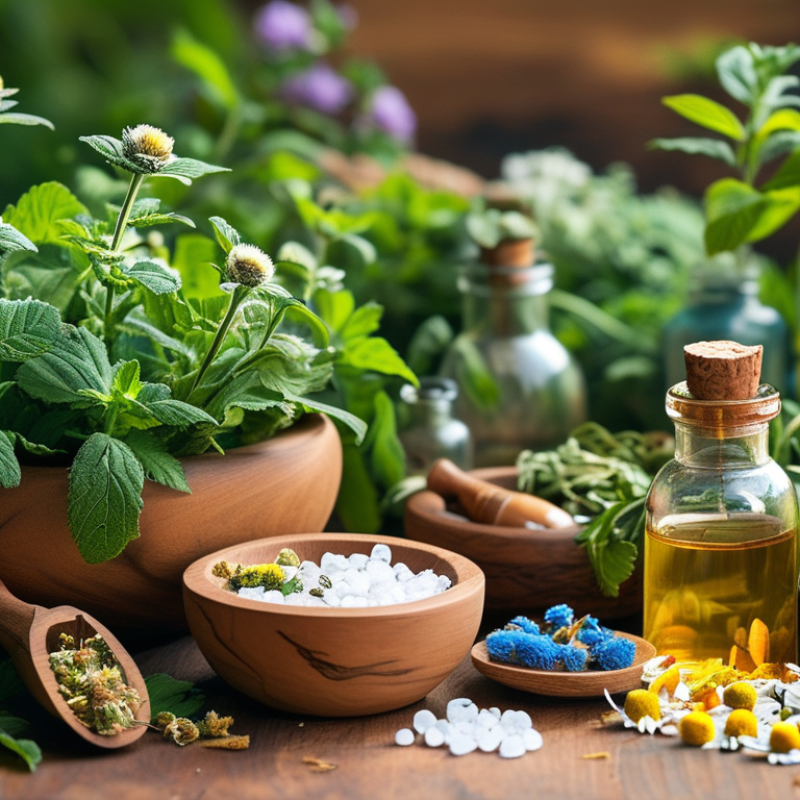
Traditional Uses of Herbal Extracts in Various Cultures
Herbal extracts play a significant role in traditional medicine across various cultures. In China, herbal remedies have been used for thousands of years. They often rely on complex mixtures to promote balance and health. For example, the use of ginseng is prominent for boosting energy and enhancing immunity. According to a 2020 report by the World Health Organization, over 80% of people in developing countries rely on traditional medicine, much of which includes herbal extracts.
In India, Ayurveda emphasizes wellness through herbal formulations. Turmeric is revered for its anti-inflammatory properties. It has a rich history in treating various ailments, from skin issues to digestive problems. A study published in the Journal of Ethnopharmacology revealed that many Ayurvedic herbs exhibit significant health benefits, supporting their traditional uses.
Tips: When exploring herbal extracts, consider their origins and traditional applications. Research how specific herbs have been used historically to appreciate their cultural significance. Also, remember that while herbal remedies can be beneficial, they should be used with caution alongside conventional medicine. Balance is key in any health journey.
Commonly Used Herbal Extracts and Their Medicinal Properties
Herbal extracts have played a vital role in traditional medicine for centuries. Many cultures rely on these natural remedies for their healing properties. For instance, ginger is commonly used to relieve nausea and improve digestion. Its anti-inflammatory properties are well-known. Turmeric, another powerful extract, is noted for its ability to reduce inflammation and support immune health.
Chamomile is often used for its calming effects. It is popular in teas to promote relaxation and better sleep. Valerian root shares similar benefits for anxiety and insomnia, making it a staple in herbal supplements. These plants offer a variety of medicinal benefits, depending on their composition. However, individual responses to these extracts can vary, and not every remedy works universally.
Tips: Always consult a healthcare provider before starting any herbal regimen. Monitor how your body responds. Trying different herbal extracts can be enlightening but should be approached with caution. Keeping a journal of your experiences may help you understand what works best for you. Remember that herbal remedies do not replace professional medical advice.
Herbal Extracts and Their Medicinal Properties
Methods of Extracting Herbs for Medicinal Use
Herbal extracts have been pivotal in traditional medicine for centuries. The methods used to extract these botanicals greatly influence their medicinal efficacy. Various techniques exist, including solvent extraction, steam distillation, and cold pressing. Each method affects the potency of active compounds.
Solvent extraction, for instance, uses alcohol or water to dissolve desired plant components. This technique is common in producing tinctures. A study published in the Journal of Ethnopharmacology noted that consistent extraction methods lead to higher concentrations of bioactive compounds. However, this method may also extract undesirable substances.
Steam distillation is often used for essential oils. This technique involves passing steam through plant material, causing volatile compounds to evaporate. It is efficient but can degrade heat-sensitive components. The importance of choosing an appropriate method cannot be overstated, as 30% of extracts fail to meet quality standards in some analyses.
These methods illustrate the complexity of extracting herbal remedies. Understanding their strengths and weaknesses allows for better application in traditional medicine. As the demand for herbal extracts grows, refining extraction techniques remains essential for enhancing their therapeutic benefits.
Role of Herbal Extracts in Treating Specific Ailments
Herbal extracts have been used for centuries to treat various ailments. Recent studies show that approximately 80% of the global population relies on herbal medicine for primary healthcare. These extracts offer a range of therapeutic benefits. For instance, curcumin, found in turmeric, has anti-inflammatory properties that help alleviate arthritis pain. A clinical trial published in the Journal of Medicinal Plant Research reported that curcumin reduced pain severity in participants by 50% over eight weeks.
Moreover, herbal extracts like echinacea are popular for boosting the immune system. Research from the National Center for Complementary and Integrative Health indicates that echinacea can reduce the duration of common colds by 1.4 days. With the rise in antibiotic resistance, more people are turning to natural remedies. People are seeking alternatives for treating infections and promoting overall well-being.
Despite the promise of these extracts, some issues remain unaddressed. The lack of standardization in herbal products can lead to inconsistent dosages. Additionally, potential interactions with pharmaceuticals are not always well-studied. Consumers must remain cautious and consult healthcare providers before using herbal remedies. As interest grows, more rigorous scientific research will be essential to establish the reliability and efficacy of these treatments.
Safety, Efficacy, and Regulation of Herbal Extracts in Medicine
Herbal extracts have long been integral to traditional medicine systems. Their safety is often a concern for many. While some people believe that natural equals safe, this is not always the case. Different herbal extracts can interact with medications. Adverse effects may occur due to these interactions. It is crucial for users to understand the potential risks.
The efficacy of herbal extracts varies greatly. Clinical studies often support the benefits of certain extracts. However, not all products are created equal. Quality control issues can arise in herbal production. The lack of regulation leads to variability in active components. This variability can affect potency and safety. Thus, consumers should approach herbal products with caution.
Regulatory measures differ across regions. Some countries have strict guidelines for herbal products, while others do not. This inconsistency can be confusing for users. It highlights the need for reliable sources of information. Education and awareness are vital for safe usage. Consumers must seek guidance from health professionals when considering herbal options.
FAQS
: Herbal extracts are natural substances derived from plants used for traditional medicinal purposes.
Herbal remedies have been utilized for thousands of years in various cultures, especially in China and India.
Ginseng is well-known for boosting energy and enhancing immunity among users.
Turmeric is valued for its anti-inflammatory properties and is used for various health issues.
Herbal extracts can help with conditions like nausea, insomnia, and digestive problems, depending on individual responses.
Yes, always consult a healthcare provider before starting any herbal regimen for safety.
No, herbal remedies should complement, not replace, professional medical advice and treatment.
Chamomile is often praised for its calming effects, commonly used in teas for relaxation.
Approach with caution, observe your body's responses, and keep a journal of your experiences.
No, individual responses to herbal remedies can vary significantly, and not every remedy works universally.
Conclusion
Herbal extracts have played a vital role in traditional medicine across various cultures, serving as natural remedies for numerous ailments. In exploring how herbal extracts are used in traditional medicine, one can see their historical significance in practices such as Ayurveda, Traditional Chinese Medicine, and Indigenous healing systems. Commonly employed herbal extracts, like ginger and ginseng, are recognized for their distinct medicinal properties, addressing issues from digestive health to immune support.
The methods of extracting these herbs significantly affect their efficacy, with techniques varying from simple infusions to complex distillation processes. Herbal extracts have been connected to treating specific ailments, showcasing their potential in holistic healing. However, as interest in these natural remedies grows, it is essential to consider their safety, efficacy, and the regulations governing their use in modern medicine to ensure safe and informed practices.

 Bluidge Biology