Herbal extracts have surged in popularity within the natural cosmetics industry. This trend raises a vital question: why are herbal extracts popular in natural cosmetics? Dr. Emily Williams, a leading expert in cosmetic chemistry, emphasizes, “Natural ingredients resonate with consumers seeking purity and efficacy.”
This shift towards herbal extracts reflects a growing awareness of the benefits of plant-based ingredients. They offer gentle, effective solutions for skin issues while minimizing harmful chemicals. Consumers today seek transparency and authenticity in their products. The allure of nature's ingredients aligns with this desire for safer alternatives.
Despite the compelling advantages, challenges remain. The sourcing of high-quality herbal extracts is not always straightforward. Additionally, consumers must be educated on the varying concentrations and potency. These factors complicate their choices in the marketplace. Not every herbal extract will suit every skin type—individual reactions can vary. The quest for herbal efficacy requires careful consideration and research. Nonetheless, the rising interest in herbal extracts is a testament to their potential in shaping a more sustainable cosmetic future.
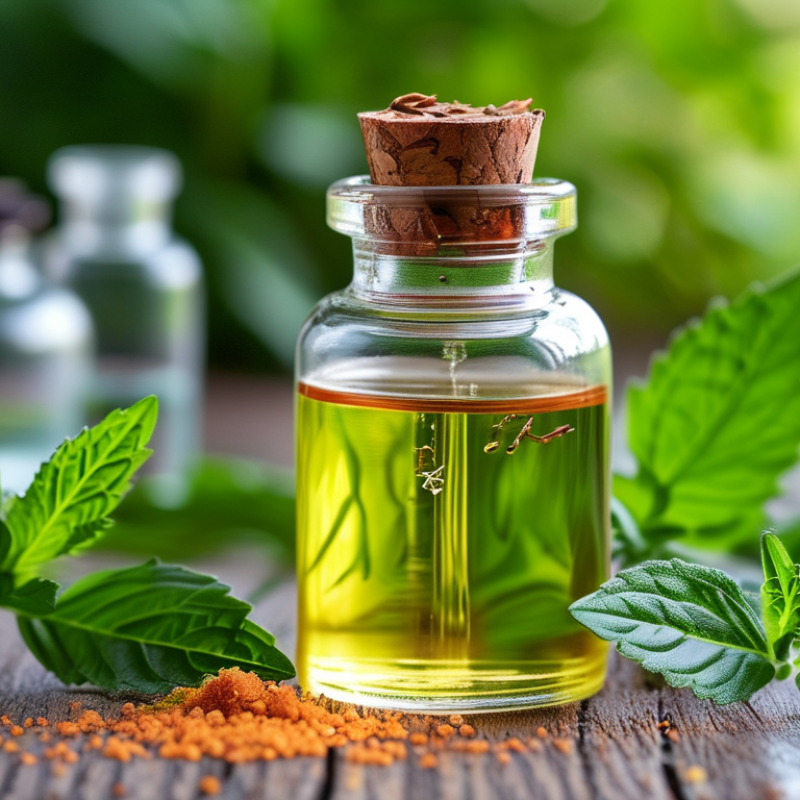
Herbal extracts have gained popularity in natural cosmetics, particularly in skin care. These extracts offer numerous benefits, making them a preferred choice for many formulators. Rich in vitamins, minerals, and antioxidants, they nourish the skin effectively. For instance, aloe vera is known for its soothing properties. It hydrates dry skin and helps reduce inflammation. Chamomile is another favorite, praised for its calming effects on sensitive skin.
Many herbal extracts also possess antibacterial and anti-inflammatory properties. Tea tree oil is often used to combat acne due to its natural antimicrobial characteristics. Yet, it's essential to consider individual skin reactions. Not everyone responds the same way to herbal ingredients. Patch testing can help avoid potential allergic reactions. It’s also worth noting that some herbal extracts might not be suitable for all skin types.
Moreover, herbal extracts can enhance the sensory experience of products. Their natural fragrances often appeal more than synthetic ones. This adds a holistic touch to skin care routines. However, the efficacy of these extracts can vary based on their sourcing and processing. Quality matters greatly in herbal formulations. There’s a need for ongoing research to ensure the sustainability of sourcing practices.
Herbal extracts have gained popularity in natural cosmetics. These ingredients often provide numerous benefits without synthetic additives. Various plants are known for their skin-enhancing properties, making them a preferred choice for many consumers.
Commonly used herbal extracts include aloe vera and green tea. Aloe vera is renowned for its soothing and hydrating effects. It can reduce inflammation and promote healing. Green tea, rich in antioxidants, helps protect the skin from damage. It can also reduce signs of aging.
Other popular options like chamomile and calendula offer calming qualities. Chamomile is often used for its anti-inflammatory effects, while calendula is known for its ability to heal and soothe irritated skin. Each extract brings specific benefits, but challenges remain. The sourcing and quality of these extracts can vary widely. Consumers must consider these factors when choosing natural products.
This chart displays the popularity scores of commonly used herbal extracts in natural cosmetics. Aloe Vera leads as the most popular choice, followed closely by Green Tea and Chamomile. These scores reflect the increasing consumer demand for natural ingredients in cosmetic products.
Herbal extracts have become increasingly popular in natural cosmetics, largely due to their antioxidant properties. Antioxidants play a crucial role in skin health. They help protect the skin from damage caused by free radicals. Free radicals are unstable molecules that can lead to premature aging. Natural botanical sources, such as green tea and hibiscus, are rich in antioxidants that can enhance the skin’s resilience.
When applied to the skin, these extracts can neutralize harmful effects from environmental stressors. They help to improve skin tone and hydration. However, not all herbal extracts are created equal. Some may not deliver the desired results. This raises questions about the efficacy of certain products. Other factors, like skin type and formulation, also affect outcomes.
It's essential to choose products with carefully selected extracts and scientifically supported benefits. Transparency in sourcing and extraction methods adds to the credibility of these products. Users should ask questions and do research. Ultimately, the journey toward healthier skin is a personal one, and mindful choices can lead to better results.
The growing trend of using herbal extracts in natural cosmetics raises important issues about sustainability and ethical sourcing. Many consumers are concerned about the origins of the ingredients in their products. Herbal ingredients, when sourced sustainably, can reduce environmental impact. This allows practitioners to promote a harmonious relationship between nature and cosmetic use.
However, not all herbal sourcing practices align with ethical standards. Overharvesting and exploitation can threaten biodiversity. Companies must be aware of their supply chains. Fair trade practices and transparency can empower local farmers and communities. Supporting ethical sourcing leads to higher-quality products and increases consumer trust.
The challenge lies in balancing efficacy and ethical considerations. Consumers should question product labels and research their brands. A well-informed choice benefits not just the user, but the ecosystem as a whole. It's essential to remain vigilant about the origins of herbal extracts. Engaging in conversations about sustainability helps push the industry towards more responsible practices.
The rise of herbal extracts in cosmetics reflects shifting consumer preferences. A recent report by Grand View Research indicates that the global herbal cosmetics market size is projected to reach USD 28.57 billion by 2027. This surge is driven by a growing awareness of the ingredients used in skincare products. Modern consumers favor transparency and effectiveness in their cosmetics.
Herbal extracts are perceived as safer and more beneficial than synthetic ingredients. A survey by Statista found that 62% of consumers prioritize natural products for skin health. This is particularly true among millennials and Gen Z, who demand eco-friendly and cruelty-free solutions. Consumers are increasingly scrutinizing labels, seeking products with recognizable herbal ingredients. Yet, the challenge remains to ensure that these products maintain efficacy without the use of synthetic additives.
The demand for personalization in cosmetics also plays a key role. Brands are exploring unique herbal combinations to cater to diverse skin types and concerns. However, not all herbal extracts are equally effective. Some lack scientific backing, highlighting the need for further research. Consumers face a complex landscape where claims must be matched with evidence. As the market evolves, the need for authenticity and quality will continue to shape consumer choices in herbal cosmetics.
: Herbal extracts nourish the skin with vitamins, minerals, and antioxidants. They are popular in natural cosmetics.
Aloe vera hydrates dry skin and reduces inflammation. It's well-known for its soothing properties.
Individual skin reactions vary. Patch testing helps avoid potential allergic reactions to herbal ingredients.
No, some extracts may not be suitable for all skin types. It's essential to consider individual skin sensitivities.
Antioxidants protect skin from free radicals, which can lead to premature aging. They help improve skin tone and hydration.
Choose products with scientifically supported ingredients. Research sourcing and extraction methods for credibility.
Overharvesting and unethical practices threaten biodiversity. Consumers need to be aware of these challenges.
Ethical sourcing empowers local communities, leading to higher-quality products. It also increases consumer trust.
Natural fragrances may appeal more than synthetic ones. However, sensory experiences can vary among individuals.
Engage in conversations about sustainability and ask questions about product sourcing. Informed choices benefit both users and the ecosystem.
Herbal extracts have gained immense popularity in natural cosmetics due to their numerous benefits for skin care. These extracts are rich in antioxidants, which play a crucial role in promoting skin health by combating oxidative stress and providing anti-aging effects. Commonly used herbal extracts, such as aloe vera and chamomile, offer soothing and healing properties, making them ideal for various skin types.
Moreover, consumer trends that favor sustainability and ethical sourcing have further fueled the demand for herbal ingredients in cosmetics. As consumers become more aware of the environmental impact of their purchases, they increasingly seek products that align with their values. This shift raises the question: why are herbal extracts popular in natural cosmetics? The answer lies in their efficacy, safety, and alignment with the growing desire for environmentally conscious and health-focused beauty solutions.

Bluidge Biology