As we approach 2026, the role of herbal extracts in dietary supplements is becoming increasingly significant. A recent report by the Global Wellness Institute highlights that the herbal supplement market is projected to exceed $120 billion by 2026. This growth stems from the rising consumer interest in natural health solutions. But why are herbal extracts used in supplements? According to Dr. Emily Hayes, a recognized expert in botanical medicine, “Herbal extracts provide unique compounds that can enhance overall health and well-being.”
Herbal extracts are renowned for their potential health benefits. They can offer antioxidants, anti-inflammatory properties, and support for various bodily functions. Consumers are seeking alternatives to synthetic ingredients, emphasizing the need for natural solutions in their wellness journeys. Industry data shows that 65% of consumers prefer supplements with herbal ingredients. This trend indicates a shift towards holistic health practices.
However, the challenge remains in ensuring product safety and efficacy. Not all herbal extracts are created equal. The quality can vary, affecting their benefits and reliability. The supplement industry must prioritize transparency and rigorous testing to maintain consumer trust. Understanding why herbal extracts are used in supplements requires careful evaluation of both their potential benefits and the need for standardization in the industry.
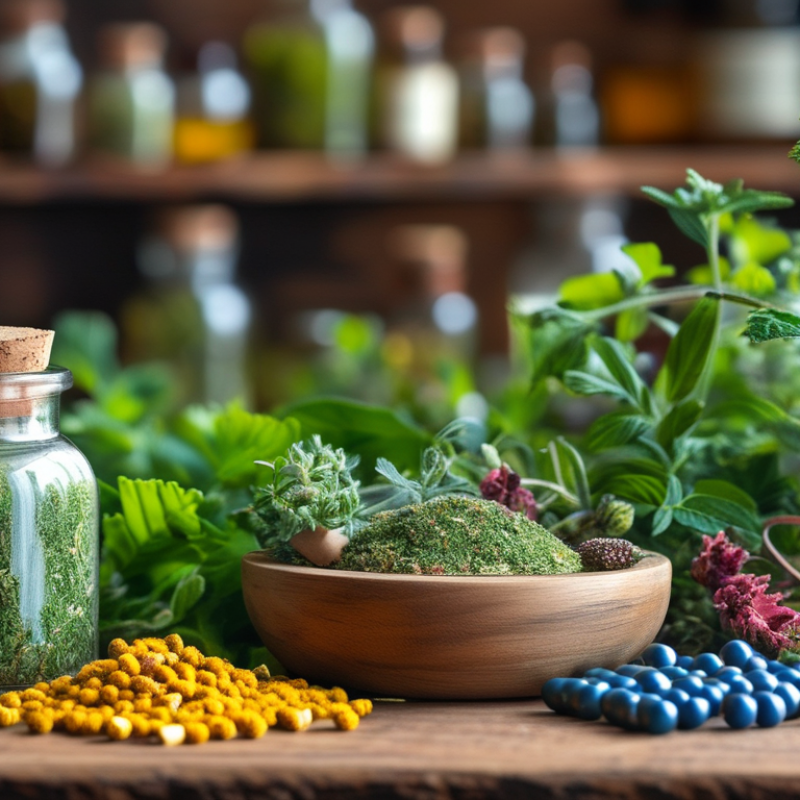
The rising trend of health-conscious consumers is reshaping the supplement industry. Herbal extracts are becoming increasingly popular due to their natural benefits. People are more aware of potential side effects from synthetic ingredients. This awareness drives the demand for organic and herbal solutions.
In 2026, the focus on enhancing wellness will likely grow. Herbal extracts can offer a range of health benefits. They may support immune function, promote digestion, and boost energy levels. Research shows that users often prefer these natural alternatives. This shift highlights a return to traditional remedies.
Tips: When selecting herbal supplements, ensure you check for quality. Look for products that provide clear sourcing information. Additionally, consider your individual health needs. Not all herbal extracts are right for everyone. Listening to your body is essential for effective supplement use.
The following bar chart illustrates the projected growth in the use of various herbal extracts in health supplements from 2021 to 2026. The data shows a significant increase in demand for herbal ingredients as consumers become more health-conscious and turn to natural remedies.
Herbal extracts have gained significant attention in the health community. These natural compounds possess unique properties that can benefit overall wellness. Studies show that herbal ingredients can support immune health, improve mood, and enhance cognitive function. Such benefits make herbal extracts indispensable in supplements, especially for the future.
Many herbal extracts, like turmeric and ashwagandha, offer powerful anti-inflammatory effects. Turmeric contains curcumin, known for fighting inflammation and oxidation. Ashwagandha can reduce stress and anxiety levels, improving mental clarity. Yet, the efficacy of these extracts can vary. Individual responses to herbal remedies differ widely.
Understanding dosage, quality, and extraction methods is crucial in ensuring their effectiveness. Some supplements may contain low-quality extracts, thus reducing their potential benefits. More research is needed to explore the full advantages of these herbs. The ongoing exploration into herbal science reveals great promise. However, consumers should remain cautious and informed.
As we look toward 2026, herbal extracts are set to play a vital role in the supplement industry. Consumers are increasingly seeking natural solutions for health and wellness. This shift stems from a desire for transparency and efficacy. Key herbal extracts are emerging as favorites due to their historical significance and research-backed benefits.
Turmeric is one such extract gaining traction. Its active compound, curcumin, is celebrated for anti-inflammatory properties. Clinical studies suggest it supports joint health and reduces oxidative stress.
Another notable ingredient is ashwagandha, often used for its adaptogenic properties. It helps the body manage stress, which has become increasingly relevant in our fast-paced society. Adaptogens are particularly appealing, as they promote balance without harsh side effects.
However, challenges remain. Not all extracts are created equal. Sourcing and quality control are essential yet often overlooked. The effectiveness of an herbal extract can vary greatly based on its origin and preparation. It’s crucial for consumers to research and choose extracts with reliable sourcing. As the market evolves, understanding these intricacies will be essential for both manufacturers and users alike.
The surge in popularity of herbal extracts in supplements demands careful regulatory oversight. The global herbal supplements market is projected to reach $210 billion by 2026. This growth reflects increased consumer interest in natural health products based on perceived safety and efficacy. Regulatory bodies face challenges in ensuring product quality. Many herbal extracts lack standardized dosage and consistent potency.
Regulations surrounding herbal extracts vary significantly across regions. In the U.S., the FDA does not specifically approve herbal supplements before market entry. Instead, manufacturers must ensure their products are safe and accurately labeled. A report by the Council for Responsible Nutrition indicates that 75% of consumers prioritize ingredient transparency. This concern highlights the need for rigorous quality control mechanisms.
The complexities of herbal extract regulation can lead to discrepancies in product safety. Some extracts may contain contaminants or insufficient active ingredients. A study published in the journal "Food and Chemical Toxicology" found that nearly 30% of herbal products tested contained unauthorized substances. This emphasizes the importance of manufacturing integrity and ethical sourcing practices in the herbal supplement industry.
Consumer awareness around herbal ingredients is on the rise. A recent report by the Global Wellness Institute found that 78% of consumers prefer herbal supplements over synthetic alternatives. This shift reflects a broader trend towards natural health solutions. People are increasingly seeking information about the benefits of various herbal extracts, which directly impacts purchasing decisions.
Education is key. Understanding how herbal extracts work can help consumers make informed choices. For instance, many enthusiasts trust adaptogenic herbs for stress relief. These herbs, such as ashwagandha and rhodiola, have shown promise in clinical studies. Reports indicate that adaptogens may increase resilience to stress and promote overall well-being.
**Tip:** Research the specific benefits of herbs before buying supplements. Not all extracts are created equal, and potency can vary widely.
While knowledge is growing, confusion remains. Not everyone understands how to interpret labels or verify claims. This lack of clarity can lead to poor choices in supplement selection. Consumers should seek out reputable sources for information. Look for certification and third-party testing, as these factors enhance reliability.
**Tip:** Look for education resources provided by health organizations for trustworthy insights.
Awareness and education are crucial for understanding herbal extracts. Increased consumer knowledge will guide healthier and more effective supplement choices.
| Herbal Extract | Primary Benefits | Common Uses | Consumer Awareness (%) |
|---|---|---|---|
| Ginseng | Boosts energy and reduces stress | Energy supplements, stress relief | 75% |
| Turmeric | Anti-inflammatory and antioxidant properties | Joint health, overall wellness | 80% |
| Echinacea | Supports immune function | Cold and flu remedies | 70% |
| Ginkgo Biloba | Improves cognitive function | Memory supplements | 65% |
| Ashwagandha | Reduces anxiety and improves stamina | Stress relief, vitality | 72% |
: Consumers are increasingly health-conscious and prefer natural benefits over synthetic ingredients.
They may support immune function, promote digestion, and boost energy levels.
Check for quality and clear sourcing information before purchasing.
No, individual health needs vary, and not all extracts work for everyone.
It’s important to know about dosage, quality, and extraction methods to ensure effectiveness.
Turmeric and ashwagandha are noted for their anti-inflammatory and stress-reducing properties, respectively.
The effectiveness of extracts can depend greatly on their origin and preparation quality.
Many products contain low-quality extracts, which may diminish potential benefits.
Regularly research the herbs you’re interested in and listen to your body’s responses.
Yes, ongoing studies could reveal the full range of advantages and potential risks.
The article "Why Are Herbal Extracts Essential in Supplements for 2026?" explores the increasing popularity and importance of herbal extracts in health supplements. With a growing consumer demand for natural health solutions, understanding the health benefits of these extracts becomes crucial. Key extracts are emerging as influential trends for 2026, paving the way for innovative supplement formulations that prioritize wellness.
Moreover, regulatory considerations play a significant role in the utilization of herbal extracts in supplements, ensuring safety and efficacy for consumers. As awareness and education about herbal ingredients grow, more people are asking why herbal extracts are used in supplements, leading to informed choices that enhance health and well-being. Overall, the integration of herbal extracts is set to redefine the supplement industry in the coming years.

Bluidge Biology