What are the most common types of herbal extracts used globally?

Time:2026-07-31 Author:Amelia
0%

Herbal extracts play a vital role in traditional medicine globally. They are derived from plants and offer various health benefits. Dr. James Tan, a leading herbalist, noted, “Understanding what are the most common types of herbal extracts is essential for effective treatment.” His expertise highlights the importance of familiarizing ourselves with these extracts.

Many cultures use herbal extracts to treat ailments. Common types include echinacea, ginseng, and peppermint. Echinacea is renowned for its immune-boosting properties. Ginseng is often linked with energy enhancement. Peppermint can aid digestion and alleviate headaches.

However, not all herbal extracts are well understood. Some may have side effects or interact with medications. It is crucial to research and consult professionals. The knowledge gap about what are the most common types of herbal extracts can lead to misuse. As we explore this field, we must prioritize safety and accuracy in our pursuit of health benefits.
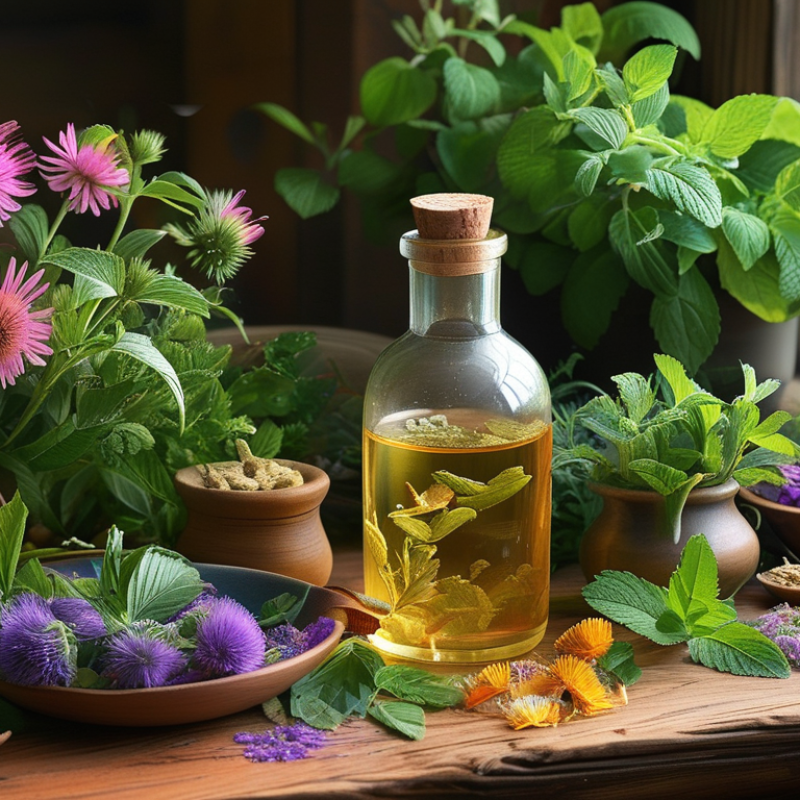
What are the most common types of herbal extracts used globally?

Overview of Herbal Extracts and Their Uses

Herbal extracts have been used for centuries worldwide. They come from various parts of plants. Leaves, roots, seeds, and flowers are commonly utilized. These extracts are often found in teas, tinctures, and capsules. Many people seek herbal remedies for their potential health benefits. Some extracts may boost immunity, reduce inflammation, or aid digestion.

Popular examples include chamomile for relaxation, ginger for nausea, and ginseng for energy. Each extract has unique properties, making them appealing for different ailments. However, the effectiveness of these extracts can vary greatly. Scientific research often lags behind traditional knowledge. It’s crucial to approach herbal uses with care. Not all extracts suit everyone, and side effects can occur.

A lack of regulation in the herbal industry can lead to inconsistencies in quality. Some products may not contain the promised ingredients. This uncertainty raises questions about reliability. Users should consult professionals before incorporating new extracts into their routines. Awareness of one’s health conditions and potential interactions is essential.

Popular Categories of Herbal Extracts Worldwide

Herbal extracts have a prominent global presence. They are integral to traditional medicine and modern health practices. The market has seen significant growth, projected to reach USD 33.2 billion by 2026, as reported by market research analysts. This shift highlights the increasing demand for natural remedies.

Some popular categories of herbal extracts include adaptogens, anti-inflammatories, and digestive aids. Adaptogens, like ashwagandha and rhodiola, are known for their stress-reducing properties. A 2022 survey indicated that 60% of consumers seek these extracts for better mental health. Anti-inflammatory herbs such as turmeric and ginger are frequently used for their therapeutic benefits. These herbs have become a staple in many households globally.

Digestive health remains critical for many. Extracts like peppermint and fennel are sought after for easing digestive discomfort. However, issues with product quality and ingredient sourcing often arise. Reports indicate that up to 30% of herbal supplements might not contain the advertised ingredients. This inconsistency underscores the need for careful product selection and a more informed consumer base.

Most Commonly Used Herbal Extracts by Region

Herbal extracts are widely used across different regions, reflecting local traditions and healing practices. In Asia, ginseng is celebrated for its energy-boosting properties. Turmeric, another favorite, is prized in India for its anti-inflammatory benefits. Both of these herbs show just how diverse herbal remedies can be based on geography.

In North America, echinacea is commonly used, especially during cold and flu season. People often seek it for its immune-boosting effects. Meanwhile, mint extracts are popular for their refreshing taste and potential digestive benefits. European herbalists frequently turn to chamomile. Its calming effects make it a popular choice for tea.

Exploring herbal extracts reveals cultural preferences and practices. However, the effectiveness of these plants can vary widely. Some may not provide the benefits users expect. This variability is essential to consider when using herbal remedies worldwide. Each region has its unique approach to wellness through herbs. This variety invites reflection on the power and limitations of natural remedies.

Health Benefits Associated with Major Herbal Extracts

Herbal extracts have gained popularity worldwide for their health benefits. Many cultures have used these natural remedies for centuries. Common extracts include turmeric, ginger, and ginseng.

Turmeric is celebrated for its anti-inflammatory properties and antioxidant effects. It may support joint health and boost the immune system.

Ginger is another widely used extract. Many people appreciate its potential to ease digestive issues. Some studies suggest it may reduce nausea and help with motion sickness.

Ginseng is recognized for its role in enhancing energy levels and reducing stress. It is often linked to improved mental clarity and overall well-being.

Though herbal extracts can be beneficial, not everyone experiences the same effects. Individual responses may vary due to factors like health conditions and medications. It’s essential to consult a healthcare professional before integrating any herbal extracts into your routine. Overall, these plant-based solutions hold promise, but awareness and caution are crucial. Embracing herbal remedies involves balancing tradition with modern understanding.

Trends in the Global Market for Herbal Extracts

The herbal extract market is witnessing significant trends worldwide. Consumers are increasingly turning to natural remedies due to rising health consciousness. This shift favors herbal ingredients over synthetic ones. Popular extracts include turmeric, ginger, and echinacea. Each boasts unique health benefits, making them sought-after worldwide.

As demand rises, manufacturers focus on sustainable sourcing. This ensures high-quality extracts while supporting local communities. Traceability and transparency in sourcing improve consumer trust. Many consumers seek information on where and how herbs are grown. This trend emphasizes the importance of ethical practices in the herbal industry.

**Tips:** While exploring herbal extracts, assess their origin and production methods. Understand the extraction process, as it can impact efficacy. Always consult a healthcare professional before starting any new herbal supplement.

What are the most common types of herbal extracts used globally?

Herbal Extract Common Uses Market Size (USD Billion) Growth Rate (%)
Green Tea Extract Weight loss, Antioxidant 3.6 8.5
Ginseng Extract Energy, Stress Relief 2.1 7.2
Turmeric Extract Anti-inflammatory, Joint Health 1.5 9.1
Echinacea Extract Immune Support 0.8 5.4
Milk Thistle Extract Liver Health 0.5 6.8

FAQS

: What are herbal extracts?

: Herbal extracts come from various parts of plants. They include leaves, roots, seeds, and flowers.

How are herbal extracts commonly used?

These extracts are often found in teas, tinctures, and capsules. They serve potential health benefits.

What health benefits can herbal extracts provide?

Some extracts may boost immunity, reduce inflammation, or aid digestion. Each has unique properties for different ailments.

Can everyone benefit from herbal extracts?

No, individual responses vary due to health conditions and medications. Effects can differ from person to person.

Do herbal extracts have side effects?

Yes, side effects can occur. It’s essential to approach herbal remedies carefully and be aware of your own health.

Is there regulation in the herbal extract industry?

There’s a lack of regulation, which can lead to quality inconsistencies. Products may not contain promised ingredients.

Should I consult a professional before using herbal extracts?

Yes, users should consult healthcare professionals. Awareness of health conditions is crucial when incorporating new extracts.

Are traditional uses backed by scientific research?

Scientific research often lags behind traditional knowledge. Effectiveness can vary significantly among different extracts.

What's a common misconception about herbal remedies?

Many believe all extracts will work the same for everyone. This is not true; responses can differ widely.

How should one approach using herbal extracts?

Embrace them with care. Balance traditional knowledge with modern understandings for safe use and optimal benefits.

Conclusion

Herbal extracts have gained popularity worldwide due to their diverse uses in traditional and modern medicine. This article explores what are the most common types of herbal extracts being utilized globally, highlighting their various categories such as tinctures, teas, and powders. It also delves into the regional preferences for specific extracts, showcasing their significance in different cultures.

Furthermore, the article outlines the health benefits associated with major herbal extracts, revealing their potential in promoting well-being and treating ailments. With the increasing interest in natural remedies, trends in the global market for herbal extracts reflect a rising consumer demand, emphasizing their importance in both health and wellness sectors. Overall, herbal extracts continue to play a crucial role in global health practices, making them a focal point of discussion in the realms of both tradition and modernity.

Amelia

Amelia

Amelia is a seasoned marketing professional with a wealth of expertise in our company’s core offerings. With an unwavering passion for driving growth and innovation, she plays a pivotal role in shaping our marketing strategies and enhancing brand visibility. A key aspect of her responsibilities......