China Top Herbal Extracts How Are Quality and Purity Tested?

Time:2026-09-24 Author:Isabella
0%

China’s herbal extract industry serves buyers who need more than a vivid label or a low price. They need evidence that each batch contains the expected compounds and avoids unwanted contaminants. So, how are herbal extracts tested for quality and purity? The answer begins before a sample reaches the laboratory.

A reliable program tracks the plant’s identity, growing conditions, harvest, and processing. Technicians may compare botanical features and chemical fingerprints, then measure key marker compounds using validated methods such as high-performance liquid chromatography. They also screen for heavy metals, pesticide residues, microbes, and residual solvents when relevant. A clean chromatogram matters. So does a traceable sample. Results should connect to a named batch, documented procedures, and a certificate of analysis that buyers can review—not merely a broad promise of “natural purity.”

Mark Blumenthal, founder and executive director of the American Botanical Council, has long emphasized the importance of quality in herbal products. A practical summary of that principle is: “Trust the evidence behind the extract, not the label alone.” This is an editorial paraphrase, not a verified verbatim quotation. That distinction matters. Testing has limits: one result describes one sample, and a marker compound cannot prove every aspect of efficacy or authenticity. Buyers should therefore look for independent laboratory testing, method details, acceptance limits, and records linking the report to the supplied batch. The process is not glamorous. It is what makes quality claims checkable.
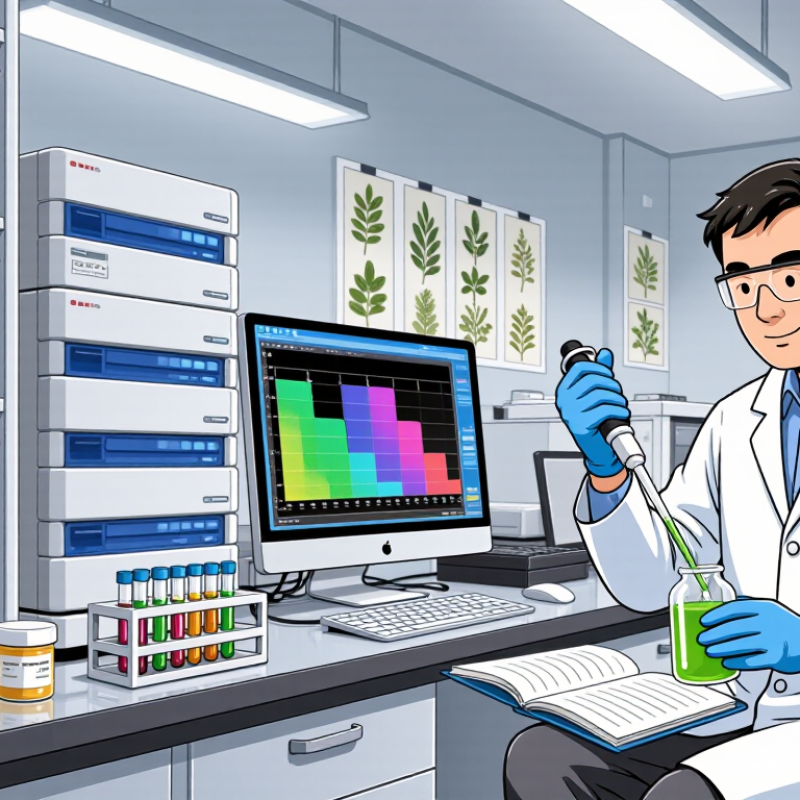
China Top Herbal Extracts How Are Quality and Purity Tested?

Types of Herbal Extracts Produced in China

China produces several distinct types of herbal extracts, shaped by regional crops and different extraction methods. Common examples include green tea catechins, ginkgo leaf flavonoids, licorice-root compounds, and citrus-peel flavonoids. Some suppliers also make water-soluble astragalus or ginger extracts for food and wellness products. The details matter. A brown powder in a sealed pouch may look uniform, yet color alone cannot confirm its plant source or active-compound level.

Grand View Research’s 2023 botanical extracts market report estimated the global market at about US$24.4 billion, reflecting demand across food, personal care, and health-related products. This is market context, not proof that every extract meets the same specification. Chinese production lots may differ in plant part, solvent, concentration, and marker compounds. Buyers should request a botanical identity test, chromatographic fingerprint, and measured active constituents, alongside checks for moisture and microbial counts. For instance, a tea extract certificate might report catechin content, while a ginkgo specification may track characteristic flavonoids. Batch paperwork can still be incomplete. That is worth questioning. A test result is only useful when its method, sample, and batch number are clear.

Herbal extracts are commonly checked for identity, marker-compound content, and contaminants. Bars indicate whether a method is commonly used for that purpose (1 = commonly used; 0 = not a primary method). This is a qualitative overview, not test results or a regulatory checklist. Methods and requirements vary by ingredient and product.

Raw Material Selection and Botanical Authentication

Raw Material Selection and Botanical Authentication

Reliable herbal extract testing begins before the plant reaches the laboratory. Buyers review the species name, plant part, growing region, harvest season, and supplier records. A leaf and a root from the same species may contain different compounds. Details matter.

At intake, staff inspect color, odor, moisture, and visible foreign material. These checks can flag problems, but they cannot confirm identity alone. Botanical authentication may compare a sample’s macroscopic features with reference material, then use microscopy or chemical fingerprinting when needed. For powdered herbs, appearance is less informative. That is a limitation worth remembering.

Testing methods should fit the material. Chromatographic profiles can help distinguish related species and reveal unusual patterns, while DNA methods may support identification when processing has not damaged the genetic material. No single test answers every question. A strong quality record links the authenticated sample to its batch documents and later test results. If the source information is incomplete, even a precise laboratory result has less context. Keep the sample traceable. And revisit assumptions when a crop, supplier, or processing method changes.

Extraction Methods and Process Quality Control

China’s herbal extracts depend on controlled processing, not extraction alone. Technicians select water or food-grade ethanol according to the plant and target compounds. They record the herb-to-solvent ratio, temperature, and extraction time for each batch. Small changes matter. Excessive heat may damage sensitive constituents, while insufficient extraction can leave useful compounds behind.

Process control begins with verified raw materials. Staff check botanical identity, appearance, moisture, and possible contaminants before production. During extraction, calibrated instruments track temperature and mixing conditions. Filtration and concentration steps also need documented limits, since residues or uneven processing can affect the final powder. Every batch should have traceable records. This takes discipline.

Finished extracts can be assessed using methods such as chromatographic fingerprinting to compare their chemical profiles. Tests for moisture, microbes, heavy metals, and residual solvents may also be appropriate, depending on the product and intended use. A matching profile does not prove that every batch is identical; natural variation remains. I would treat a clean-looking result with caution if its sampling plan or test records are unclear. Quality is a chain of evidence, from incoming herb to sealed container.

Laboratory Testing for Purity, Potency, and Contaminants

Testing herbal extracts starts with a representative sample. A laboratory may compare the plant’s identity with reference materials before measuring key compounds. High-performance liquid chromatography can estimate marker-compound levels, while other methods may suit different extracts. The result helps assess potency, but a marker alone does not prove every part of an extract behaves the same way.

Purity checks look for unwanted substances. Labs can screen for heavy metals, pesticide residues, microbes, and residual solvents, using methods suited to each risk. For example, a microbial test may involve preparing a measured portion and incubating it under controlled conditions. Small details matter. Clean equipment and documented sample handling reduce the chance of misleading results. Still, one sample may not represent every container in a production lot. That limitation deserves attention. A useful report identifies the sample, methods, detection limits, and findings, rather than offering only a broad “passed” statement. Results should be reviewed alongside supplier records and batch information, since testing cannot correct poor harvesting or inconsistent storage. No single test tells the whole story.

Standards, Certification, and Batch Traceability

For China’s herbal extracts, quality assurance begins with a written specification, not a supplier’s certificate alone. A batch should be checked for botanical identity, marker compounds, moisture, and relevant contaminants.

Testing may combine microscopy or DNA methods for raw materials with HPLC or chromatographic fingerprinting for extracts. The WHO’s 2011 Quality Control Methods for Herbal Materials describes methods for identity, purity, and chemical analysis. Methods must fit the plant and extraction process.

One test cannot prove everything.

Standards and certification make results easier to assess. Buyers can request an accredited laboratory’s scope, validated methods, acceptance limits, and batch-specific certificates of analysis.

The WHO reported that 170 of 194 member states had reported use of traditional and complementary medicine in its 2019 global report. That reach makes consistent controls important, though adoption alone does not guarantee product quality.

Check whether the certificate identifies the tested batch, not merely a product type. Traceability should link the Latin species name, growing or collection location, harvest period, processing records, and finished-lot number.

Keep retained samples. A scanned document is not a substitute for records that can be verified.

Even strong systems have gaps; mixed harvests or changing extraction conditions can affect results, so periodic independent retesting is prudent.

FAQS

What types of herbal extracts are commonly produced in China?

Examples include green tea catechins, ginkgo leaf flavonoids, licorice-root compounds, and citrus-peel flavonoids. Some producers also make water-soluble astragalus or ginger extracts. Appearance alone proves little.

Why can two batches of the same extract differ?

Plant part, growing region, harvest season, solvent, and concentration can all affect the result. A brown powder may look consistent while its active-compound levels vary. Details matter.

How can buyers check a herb’s identity?

Review its species name, plant part, origin, harvest details, and supplier records. Microscopy or chemical fingerprinting may help confirm identity. Powdered samples can be hard to identify by sight.

What information should an extract certificate provide?

It should connect the test method and sample to a clear batch number. It may report active constituents, moisture, microbial counts, or other relevant measures. Incomplete paperwork deserves a closer look.

Which extraction details affect product quality?

Water or food-grade ethanol may be selected based on the plant and target compounds. The herb-to-solvent ratio, temperature, and extraction time should be recorded. Small changes matter.

What checks may be useful for a finished extract?

Chromatographic fingerprinting can compare chemical profiles. Depending on the product, testing may also cover moisture, microbes, heavy metals, and residual solvents. Not every test suits every material.

Does a matching chemical profile prove that every batch is identical?

No. Natural variation can remain, even when profiles look similar. I would still ask how samples were collected and tested.

How should quality be tracked from raw herb to sealed powder?

Keep traceable records linking authenticated plant samples, production steps, and finished-batch results. Check changes in suppliers, crops, or processing methods. Records can still miss things.

Conclusion

China produces a wide range of herbal extracts from roots, leaves, flowers, seeds, and other botanical materials. Reliable quality begins with careful raw material selection and botanical authentication, which help confirm each plant’s identity, origin, and condition. Extraction methods are chosen to suit the plant and intended use, while process controls monitor key conditions such as temperature, time, and solvent removal to support consistent results from batch to batch.

So, how are herbal extracts tested for quality and purity? Laboratories assess identity, active-compound content, and strength, and screen for contaminants such as heavy metals, pesticide residues, microorganisms, and residual solvents. These checks are supported by documented standards, appropriate certifications, and batch traceability, allowing each extract to be linked to its source materials and production records. Together, these measures help verify that products meet defined specifications and provide dependable quality and purity.

Isabella

Isabella

Isabella is a dedicated marketing professional with a sharp focus on driving brand growth and engagement through strategic content creation. With an extensive background in digital marketing, she combines her passion for storytelling with her keen understanding of industry trends to deliver......