What Are the Benefits of Organic Herbal Extracts from China?

Time:2026-10-14 Author:Mason
0%

What are the benefits of organic herbal extracts? The answer begins with cultivation, not packaging. In China, certified organic herbs may be grown without prohibited synthetic pesticides or fertilizers, depending on the certification standard. This can support cleaner sourcing and more transparent agricultural practices. However, organic status alone does not prove superior potency or safety.

Dr. Tedros Adhanom Ghebreyesus, Director-General of the World Health Organization, has said, “Traditional medicine has been an integral resource for health in households and communities for thousands of years.” His observation reflects the deep experience behind herbal use, while modern testing adds necessary control. Reputable Chinese suppliers should identify the plant species, harvest region, extraction method, and batch number. A batch record may connect dried ginger slices to a laboratory report. Testing can examine contaminants, microbes, heavy metals, and active-marker levels.

The potential benefits include consistent formulations, concentrated botanical compounds, and easier use in foods, supplements, or personal-care products. Some extracts also support traceability when suppliers provide organic certificates and independent laboratory results. The details matter.

A green label is not enough.

Quality can vary between farms, seasons, extraction solvents, and storage conditions. Scientific evidence may also remain limited for specific herbs or claimed outcomes. Buyers should check certification scope, testing methods, and applicable import requirements before making decisions. Organic herbal extracts can offer meaningful value, but responsible sourcing requires more than attractive claims. It requires documentation, cautious interpretation, and honest communication about uncertainty.
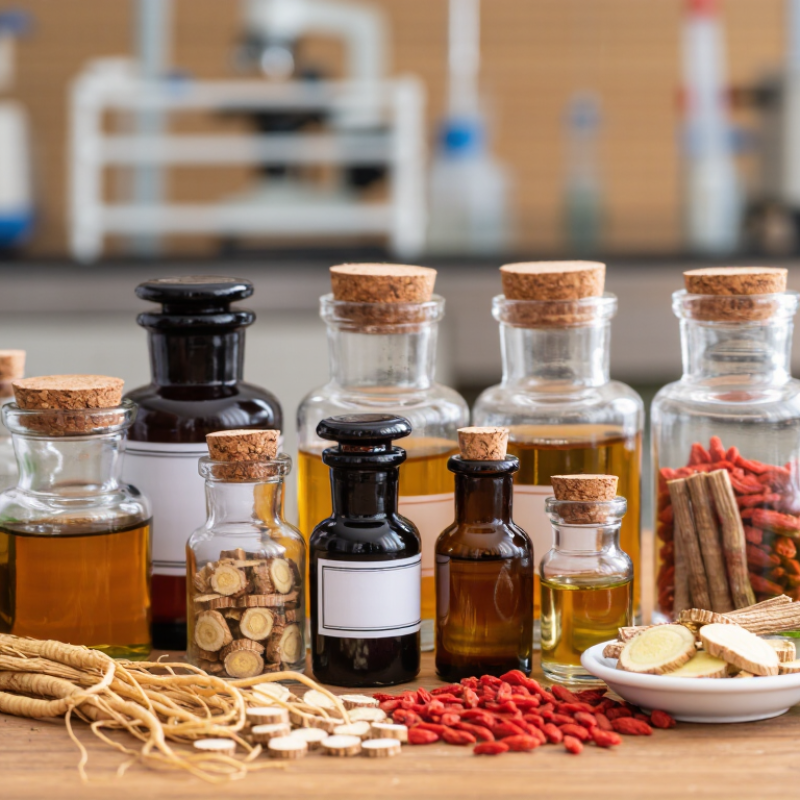
What Are the Benefits of Organic Herbal Extracts from China?

Definition and Key Features of Organic Herbal Extracts from China

Organic herbal extracts from China are concentrated plant preparations made from organically cultivated roots, leaves, flowers, seeds, or fruits. Their organic status should be verified through approved certification, not assumed from the word “natural.” In China, GB/T 19630 defines requirements for organic production, processing, labeling, and management. Certified materials should also show traceable farms, processing records, and valid certificates.

Quality depends on more than cultivation. Reliable extracts usually include botanical identification, extraction-solvent details, marker-compound testing, and batch-specific certificates of analysis. Testing commonly covers pesticide residues, heavy metals, microbes, and adulteration. A clear example is a brown extract powder packed in a sealed food-grade bag, carrying a lot number that links back to the harvest record. That small detail matters.

The FiBL and IFOAM Organics International 2024 survey reported 96.4 million hectares of organic farmland worldwide and a global organic market worth about €134.8 billion. China remains an important part of this expanding supply chain. Yet organic certification does not prove stronger clinical effects. That distinction is often missed. Extraction temperature, storage humidity, plant age, and species authentication can change the final profile. A common sourcing mistake is accepting a certificate without checking its scope and expiry date. Better evaluation combines certification, laboratory evidence, transparent records, and realistic claims. Even experienced buyers can overlook one weak link.

Main Health and Wellness Benefits of Chinese Organic Herbal Extracts

Chinese organic herbal extracts may support everyday health when selected carefully and used appropriately. Many contain plant compounds studied for antioxidant activity, which can help protect cells from oxidative stress. Some traditional formulas are used for digestive comfort, mild relaxation, or seasonal wellness. Results vary widely, however, because herbs differ in species, growing conditions, extraction methods, and concentration.

Quality matters greatly. Reliable extracts should provide the botanical name, plant part, extraction ratio, and independent testing information. Testing for heavy metals, pesticides, microbes, and undeclared ingredients is especially important. Organic cultivation can reduce exposure to certain agricultural chemicals, but it does not automatically prove safety or clinical effectiveness. That distinction is easy to miss.

A practical approach begins with a small, clearly labeled product and a realistic health goal. Follow the stated serving guidance. Do not assume that more extract means better results. People taking prescription medicines, managing pregnancy, or living with liver or kidney conditions should consult a qualified healthcare professional. Some herbs can affect blood clotting, blood pressure, blood sugar, or medication metabolism. Traditional use offers valuable knowledge, but it is not the same as strong clinical evidence. Evidence remains uneven.

Potential Wellness Benefits of Chinese Organic Herbal Extracts

This chart summarizes commonly researched wellness areas for selected Chinese botanicals. Ginger is primarily studied for nausea relief, green tea for cardiometabolic markers, turmeric for joint discomfort, and ginseng for fatigue and cognitive performance. These findings describe potential benefits rather than guaranteed outcomes, and extract quality, dosage, and individual health conditions can affect results.

Sources: National Center for Complementary and Integrative Health (NCCIH) herb fact sheets; Cochrane Reviews on ginger, green tea, turmeric, and ginseng. Research evidence varies by botanical and preparation.

Traditional Herbal Sources and Modern Extraction Methods

Organic herbal extracts from China begin with traditional sources: roots from dry mountain soils, leaves gathered at the right season, and flowers handled away from moisture. China’s long materia medica tradition offers wide botanical diversity. Yet origin alone does not prove quality. Soil testing, botanical identification, pesticide screening, and traceable harvest records remain essential.

Modern extraction makes these materials more consistent. Water and food-grade ethanol can concentrate selected compounds while reducing unwanted plant matter. Ultrasound-assisted extraction may shorten processing time and lower solvent use. Supercritical carbon dioxide is useful for some aromatic compounds, although it requires costly equipment and careful parameter control. In practical quality work, temperature, particle size, and extraction time can change the final color, odor, and marker-compound level. Small process differences matter.

WHO’s Traditional Medicine Global Survey Report found that 170 of 194 Member States reported using traditional medicine. That figure shows broad relevance, not automatic clinical effectiveness. Organic certification also confirms production controls, not every claimed health benefit. The 2023 China Organic Product Certification and Organic Industry Development Report highlights the importance of certification and supply-chain oversight in organic production. One weakness remains: published data can vary between regions and laboratories. Independent testing, validated methods, and clear certificates of analysis are therefore necessary before professional use.

What Are the Benefits of Organic Herbal Extracts from China? - Traditional Herbal Sources and Modern Extraction Methods

Traditional Herbal Source Common Botanical Name Key Naturally Occurring Constituents Potential Benefit or Use Traditional Application Modern Extraction Method Current Evidence Level Quality and Safety Considerations
Green tea leaves Camellia sinensis Catechins, including epigallocatechin gallate (EGCG), plus caffeine and theanine Provides antioxidant compounds; green tea preparations have been studied for effects on cardiometabolic markers and alertness. Used as a beverage and traditional botanical preparation for refreshment and general wellness. Water extraction, hydroalcoholic extraction, membrane filtration, and low-temperature concentration. Moderate for selected outcomes; results vary by preparation and dose. Organic certification concerns cultivation practices, not proof of stronger clinical effects. Concentrated green tea extracts may affect the liver in susceptible individuals.
Astragalus root Astragalus membranaceus Polysaccharides, flavonoids, and triterpenoid saponins Investigated for immune-related activity and support of general resilience; human evidence remains condition-specific. Traditionally prepared as a decoction or included in soups and multi-herb formulas. Hot-water extraction for polysaccharides; ethanol-water extraction for broader phytochemical fractions. Limited to moderate; more standardized clinical research is needed. Botanical identity and correct plant part should be verified. Use requires caution with immunosuppressive medicines and autoimmune conditions.
Ginseng root Panax ginseng Ginsenosides, polysaccharides, peptides, and volatile compounds May support perceived energy, cognitive performance, and fatigue management in some studies. Used in teas, powders, decoctions, and tonic preparations. Water or hydroalcoholic extraction, followed by concentration and chromatographic standardization. Moderate for some fatigue and cognitive outcomes; not uniform across products. May interact with anticoagulants, diabetes medicines, stimulants, and some cardiovascular medicines. Standardization to ginsenoside content is important.
Goji berry Lycium barbarum Polysaccharides, carotenoids such as zeaxanthin, and phenolic compounds Supplies antioxidant constituents and has been studied for eye-health and metabolic markers. Consumed as dried fruit, tea, juice, or a traditional food ingredient. Water extraction for polysaccharides; gentle drying and aqueous concentration help protect heat-sensitive compounds. Preliminary to moderate for selected biomarkers; clinical benefits are not definitive. Potential interactions with warfarin have been reported. Testing should include pesticide residues, heavy metals, and botanical adulteration.
Licorice root Glycyrrhiza uralensis and related species Glycyrrhizin, liquiritin, flavonoids, and polysaccharides Traditionally used for soothing the throat and supporting digestive comfort. Prepared as a decoction or used as a flavoring and harmonizing herb in formulas. Water extraction, ethanol-water extraction, and selective purification of glycyrrhizin fractions. Traditional use is extensive; clinical evidence depends on the specific indication. Excessive or prolonged intake of glycyrrhizin-containing extracts may raise blood pressure and lower potassium. Deglycyrrhizinated preparations have a different safety profile.
Ginkgo leaf Ginkgo biloba Flavone glycosides and terpene lactones Studied for circulation-related symptoms and cognitive function, especially in older adults. Used in traditional preparations made from the leaves. Water-acetone or hydroalcoholic extraction followed by controlled removal of unwanted compounds, including ginkgolic acids. Mixed; standardized extracts have been studied more extensively than raw preparations. May increase bleeding risk with anticoagulant or antiplatelet medicines. Proper limits for ginkgolic acids are essential.
Turmeric rhizome Curcuma longa Curcuminoids and aromatic volatile oils Curcuminoids have been investigated for inflammatory and joint-related symptoms. Used as a culinary spice, tea, powder, and traditional digestive preparation. Hydroalcoholic extraction, supercritical carbon dioxide extraction for volatile oils, and particle-size reduction to improve dispersion. Moderate for some osteoarthritis-related symptoms when formulated appropriately. Bioavailability-enhanced products may alter absorption and interaction potential. Caution is advised with gallbladder disease and anticoagulant medicines.
Schisandra fruit Schisandra chinensis Lignans, organic acids, and polysaccharides Studied for stress response, fatigue, and liver-related biochemical markers. Used in dried-fruit infusions, powders, and traditional tonic formulas. Water or hydroalcoholic extraction with chromatographic profiling of lignans. Preliminary to moderate; evidence is not sufficient for broad therapeutic claims. May affect drug-metabolizing enzymes and alter the levels of prescription medicines. Product-specific testing is necessary.
Reishi mushroom Ganoderma lucidum Polysaccharides, triterpenes, and sterols Investigated for immune-modulating activity and general wellness support. Traditionally consumed as a decoction because the dried fruiting body is relatively tough. Hot-water extraction for polysaccharides and ethanol extraction for triterpenes; dual extraction can broaden the profile. Limited to moderate; human findings vary by preparation and health condition. May cause digestive symptoms or interact with medicines affecting bleeding or immune function. Fruiting body and mycelium products should be clearly distinguished.
Chrysanthemum flower Chrysanthemum morifolium Flavonoids, phenolic acids, and volatile oils Provides aromatic and antioxidant compounds and is commonly used in calming herbal beverages. Prepared as an infusion or tea for refreshment and traditional cooling applications. Gentle hot-water extraction, vacuum concentration, and spray drying for powdered extracts. Traditional use is common; clinical evidence for specific health outcomes is limited. People with allergies to plants in the daisy family should use caution. Authentication is needed to distinguish the correct species and flower material.
Modern processing advantage Not applicable Standardized marker compounds, soluble polysaccharides, flavonoids, saponins, and volatile fractions Can improve consistency, solubility, concentration control, and batch-to-batch comparison when properly validated. Builds on traditional decoction, infusion, drying, and formula practices. Uses controlled temperature, food-grade solvents, membrane filtration, vacuum drying, spray drying, and analytical fingerprinting. Process quality can be measured; clinical benefit still depends on the individual herb and final formulation. “Organic” does not automatically mean contaminant-free or clinically proven. Reliable documentation should include botanical authentication, solvent controls, microbial testing, pesticide screening, heavy-metal testing, and stability data.

Quality Standards, Safety Considerations, and Product Certification

Organic herbal extracts from China can offer botanical diversity, established cultivation regions, and scalable processing. Their value depends on documented control, not origin alone. The WHO Global Report on Traditional and Complementary Medicine states that 170 of 194 member states recognize traditional medicine use. This broad adoption increases the need for reliable evidence and consistent manufacturing.

Quality begins in the field. Suppliers should document plant identity, soil conditions, harvest dates, and drying temperatures. WHO Good Agricultural and Collection Practices recommend controlling contamination from pesticides, microbes, and heavy metals. Manufacturing should follow appropriate GMP procedures, with batch testing for identity, marker compounds, moisture, and microbial limits. HPLC fingerprints can help detect substitution. They cannot prove every biological effect.

Certification needs careful reading. Organic certification mainly verifies approved farming methods and restricted substances. It does not automatically confirm extract potency, clinical benefit, or freedom from every contaminant. An ISO/IEC 17025-accredited laboratory can strengthen test reliability through validated methods and traceable calibration. The China Pharmacopoeia provides recognized quality specifications for selected materials, but not every extract receives a full monograph. I would request a current certificate of analysis, chain-of-custody records, and stability data before purchasing.

Certificates are evidence, not perfection. Testing can still miss uneven sampling or adulteration. That uncomfortable detail matters. Suppliers should disclose test methods, detection limits, and deviations instead of presenting polished paperwork alone.

Common Uses and Selection Guidelines for Consumers

Organic herbal extracts from China are commonly used in teas, capsules, functional foods, and personal-care formulas. Popular materials include ginger, goji, astragalus, licorice, and green tea. Their uses vary by plant part and extraction method. A root extract may suit a different purpose than a leaf extract. It matters.

The 2024 FiBL-IFOAM Organic Agriculture Statistics report places China among the world’s largest organic farming markets, with more than two million hectares under organic management. This scale supports broad raw-material access, but it does not guarantee consistent quality. The World Health Organization’s Global Traditional Medicine Strategy 2025–2034 stresses safety, quality, evidence, and traceability. Consumers should apply those standards when comparing extracts.

Check the Latin botanical name, plant part, extraction solvent, and standardized marker compounds. Ask for current testing of pesticides, heavy metals, microbes, and unwanted additives. A certificate of analysis should identify the batch, test method, and laboratory. Organic certification also needs verification. It should cover the relevant crop and processing stage, not merely the supplier’s general operations. The European Commission’s 2023 organic monitoring data shows that organic products remain subject to residue findings, although controls are designed to protect consumers. Organic is not automatically risk-free. Some labels are incomplete. That deserves scrutiny. Source region, harvest date, storage temperature, and sealed packaging can affect freshness. I would also compare independent test results, because appearance and strong aroma are weak evidence. Reliable selection often feels less convenient, but clear documentation is worth the extra questions.

FAQS

What are organic herbal extracts from China?

They are concentrated preparations made from organically cultivated roots, leaves, flowers, seeds, or fruits. They are not automatically organic because they are called “natural.” Valid certification is required.

How can buyers verify organic status?

Check the certificate’s scope, issuing body, and expiry date. Review farm records, processing documents, and traceability information. A certificate alone may not cover the specific extract.

What information should a quality extract include?

Look for botanical identification, extraction-solvent details, marker-compound results, and batch-specific analysis. A sealed food-grade bag should show a lot number. That number should connect to harvest records.

Which safety tests are commonly important?

Testing may cover pesticide residues, heavy metals, microbes, moisture, and adulteration. Marker compounds can help assess consistency. Sampling can still miss uneven contamination.

Does organic certification prove stronger health effects?

No. Organic certification mainly confirms approved farming and processing practices. It does not prove clinical benefits or higher potency. That distinction is easy to miss.

Why does plant identification matter?

Different species can have different chemical profiles and safety considerations. Suppliers should document the plant name, plant part, origin, and harvest date. HPLC fingerprints may help detect substitution. They cannot prove every biological effect.

What manufacturing details should buyers request?

Ask about drying temperatures, extraction conditions, storage humidity, and manufacturing controls. Request current analysis certificates, test methods, detection limits, and stability data. Polished paperwork is not enough.

Can laboratory accreditation improve confidence?

Yes. An accredited laboratory can use validated methods and traceable calibration. This strengthens test reliability. It does not make the evidence perfect.

What is a common sourcing mistake?

Buyers may accept a certificate without checking its expiry date or coverage. They may also ignore weak traceability or unclear sampling. Even experienced buyers miss one weak link.

Conclusion

Organic herbal extracts from China are concentrated preparations made from plants grown and processed under organic principles, with attention to natural cultivation, traceability, and minimal exposure to synthetic chemicals. What are the benefits of organic herbal extracts? They may support general wellness by providing naturally occurring plant compounds associated with antioxidant activity, digestive comfort, relaxation, immune support, and healthy daily energy. Their value depends on the herb, concentration, preparation method, and individual needs.

Traditional sources may include roots, leaves, flowers, seeds, and berries, while modern extraction techniques are used to preserve useful compounds and improve consistency. Consumers should look for clear ingredient lists, botanical names, batch information, contaminant testing, and recognized organic or quality certifications. Safety also matters: extracts can be highly concentrated and may not suit everyone, especially people taking medication, pregnant individuals, or those with existing health conditions. Choosing products from transparent suppliers and following recommended serving guidance can help promote responsible and informed use.

Mason

Mason

Mason is a seasoned marketing professional with a deep expertise in the company's offerings and a passion for driving brand awareness. With a strong background in digital marketing strategies, he has an innate ability to connect with diverse audiences and effectively communicate product benefits.......