2026 Top Herbal Extracts for Anti Aging Skincare?

Time:2026-09-14 Author:Aria
0%

The 2026 anti-aging skincare conversation is moving beyond “natural” claims. Consumers want visible results, safer formulas, and evidence they can understand. Grand View Research reports continued growth in the global anti-aging products market, driven by preventive skincare and botanical innovation. Mintel also identifies ingredient transparency and scientifically supported claims as major consumer expectations.

But how do herbal extracts help anti aging skincare? Their benefits depend on the plant, extraction method, concentration, and final formula. Green tea supplies catechins that may help reduce oxidative stress. Licorice extract can support a more even-looking complexion. Ginseng and centella may improve the appearance of tired, less resilient skin. Rosemary and turmeric are also being studied for antioxidant and soothing activity.

Small details matter. A poorly preserved serum can lose performance. A fragrant botanical blend may irritate sensitive skin. “Natural does not mean safe,” dermatologist Dr. Zoe Diana Draelos has emphasized in her cosmetic dermatology education. That warning deserves attention.

The best formulas are not simply green. They are tested.

This guide examines leading herbal extracts for 2026, using published research, ingredient data, and professional dermatology perspectives. It also separates promising laboratory findings from proven consumer benefits. That distinction is easy to miss. Herbal extracts may support antioxidant defense, hydration, tone, and barrier comfort, but they cannot reverse every visible sign of aging.

Readers should look for transparent ingredient lists, stable packaging, realistic claims, and patch-testing guidance. Results can vary. Sometimes, the most impressive label hides the weakest evidence.
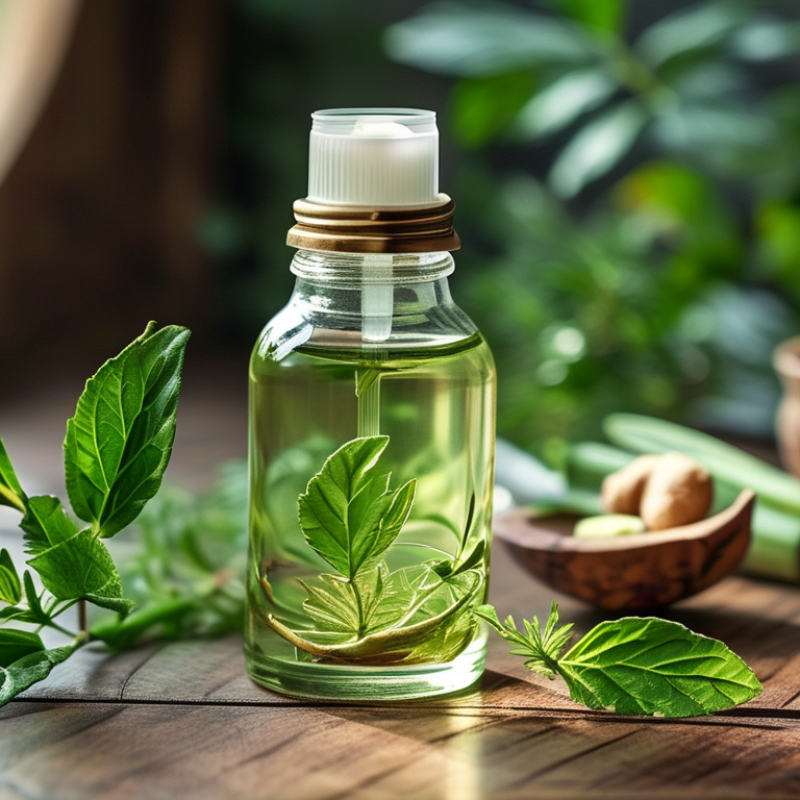
2026 Top Herbal Extracts for Anti Aging Skincare?

What Herbal Extracts Are Used in Anti-Aging Skincare in 2026

In 2026, herbal extracts remain popular in anti-aging skincare, but their value depends on formulation quality. Consumers commonly look for green tea, licorice root, ginseng, centella asiatica, turmeric, and rosemary extracts. These ingredients contain naturally occurring compounds that may support antioxidant protection, brighter-looking skin, or a calmer appearance. Results vary.

Green tea extract is studied for helping defend skin against oxidative stress. Licorice root may help reduce the appearance of uneven tone. Ginseng is often included in energizing formulas, while centella asiatica supports a comfortable skin barrier. Turmeric contains curcuminoids, although its color and irritation potential require careful formulation. Rosemary extract can provide antioxidant support, but concentrated versions may not suit sensitive skin.

The ingredient list tells only part of the story. Extraction method, concentration, stability, packaging, and pH can change performance. A well-designed formula matters more than a fashionable botanical name. Patch testing is sensible, especially for reactive skin. Fragrance-rich herbal blends may cause discomfort for some users. Evidence is also uneven; laboratory findings do not always predict visible results on human skin. That limitation deserves honesty. A practical routine still needs daily broad-spectrum sunscreen, gentle cleansing, and consistent moisturization. Herbal extracts may complement these steps, not replace them. Personal observation helps, but it should not outweigh dermatological advice when persistent redness, peeling, or pigmentation appears.

How Key Herbal Extracts Support Skin Aging Concerns

Skin aging is not a single problem. Fine lines, dryness, uneven tone, and reduced firmness often appear together. Herbal extracts may support these concerns through antioxidant, soothing, and barrier-focused actions. Results depend on the extract, concentration, skin type, and overall formula. Clinical evidence also varies.

Green tea extract may help reduce oxidative stress caused by daily environmental exposure. Centella asiatica can calm visible redness and support skin recovery after irritation. Licorice root extract may improve the appearance of uneven tone by influencing excess pigment pathways. Ginseng extract is often used to support a fresher, more energized appearance. Rosehip extract contains naturally occurring compounds that may support smoother-looking skin, although stability can be inconsistent. These ingredients are not magic.

A practical routine should introduce one botanical product at a time. Apply it to clean skin, then follow with moisturizer. Patch testing remains sensible, especially for sensitive skin. Daily broad-spectrum sunscreen is still essential because ultraviolet exposure accelerates visible aging. I would also avoid judging an extract after only a few days. Skin changes slowly. Some formulas feel elegant but deliver limited results, while simple products may perform better. A dermatologist can help assess persistent redness, sudden pigmentation, or irritation. The most reliable choice is usually a well-tested formula with clear ingredient information and realistic claims.

2026 Top Herbal Extracts for Anti-Aging Skincare

How key herbal extracts support common skin-aging concerns through antioxidant, anti-inflammatory, photoprotective, collagen-supporting and tone-evening mechanisms.

The chart uses a literature-based mechanism coverage index from 0 to 5. Scores represent the number and consistency of skin-relevant pathways reported in peer-reviewed research, including oxidative stress, inflammation, collagen or extracellular-matrix support, UV-related photodamage and uneven tone. These scores summarize research coverage and do not represent guaranteed clinical results or percentage improvements.

How to Select Herbal Extracts by Skin Type and Treatment Goal

In 2026, herbal extracts can support anti-aging skincare when selected for a clear skin concern. The best choice depends on your skin type, not popularity.

For oily or combination skin, green tea extract may help calm visible redness and reduce oxidative stress. Choose lightweight formulas with non-comedogenic ingredients.

Licorice extract can suit uneven tone, but results vary between individuals.

Dry or mature skin often needs comfort before correction. Centella extract may support the skin barrier, while oat or chamomile extracts can reduce feelings of tightness. Look for creams containing humectants and fatty emollients alongside the extract. An herbal ingredient alone will not replace daily sunscreen or a consistent moisturizer. It sounds obvious, but many routines overlook this.

Sensitive skin requires more caution. Fragrance-free formulas and short ingredient lists are usually easier to assess. Patch-test a small area for several days, especially when using rosemary, citrus, or concentrated botanical extracts.

For fine lines, antioxidant-rich extracts may complement proven ingredients such as retinoids, but irritation can make wrinkles appear more noticeable temporarily.

Check the ingredient list for extract concentration when disclosed, storage guidance, and reputable testing information. I have found that simple routines are easier to monitor, although they can feel less exciting. Stop using a product if burning, swelling, or persistent redness develops, and seek professional advice when symptoms continue.

How Herbal Extracts Are Formulated in Anti-Aging Products

2026 Top Herbal Extracts for Anti-Aging Skincare?

How Herbal Extracts Are Formulated in Anti-Aging Products

Herbal extracts are not simply added to a cream at the end. Their preparation begins with the plant part, extraction method, and target compounds. Water, glycerin, ethanol, or oil can produce very different materials. Green tea, licorice, calendula, and rosemary may suit different skin concerns. The final extract should have documented identity, purity, and batch consistency. A pleasant plant name is not enough.

Formulators then consider solubility, pH, heat, and oxidation. A water-soluble extract may enter the serum phase, while an oil-dispersible extract needs a compatible emulsion system. Some botanical compounds degrade under light or repeated air exposure. Amber packaging can help, but it cannot repair an unstable formula. Stability comes first. Preservative compatibility also requires laboratory testing, not guesswork.

Effective use depends on concentration and evidence. More extract does not automatically mean better wrinkle care. Standardized levels can make testing more reliable, although standardization may measure only one marker compound. Human studies should guide claims, while patch testing helps assess irritation risk. In practice, formulas often need adjustment after observing color changes, sediment, or a shifting scent. That part is easy to overlook. Even well-designed botanical products have limits, especially for sensitive skin. Clear ingredient records, controlled manufacturing, and realistic claims support safer anti-aging development.

How to Assess Safety, Quality, and Effectiveness Before Use

Herbal extracts can sound gentle, yet “natural” does not guarantee safety. Before using an anti-aging serum, identify the exact plant, plant part, extraction method, and concentration. A vague ingredient label deserves caution. Check whether the formula lists batch testing, contaminant screening, and an expiry date. Good sourcing matters. Poor storage can weaken antioxidants or encourage contamination, especially in water-based products. Look for packaging that limits light and air exposure.

Assess your skin first. A leave-on product may irritate eczema-prone, sensitive, or recently exfoliated skin. Apply a small amount behind the ear or on the inner forearm for several days. Stop if burning, swelling, persistent redness, or itching appears. Patch testing is useful, but it cannot predict every reaction. Fragrance components and concentrated essential oils may cause trouble, even when the main extract seems soothing. Never apply a new extract near the eyes without professional guidance.

Effectiveness requires realistic evidence. Search for human studies on the specific extract, not just laboratory results or claims about the whole plant. Compare the studied concentration and delivery system with the product in your hand. A stronger formula may irritate. I would record photos under the same window light for eight to twelve weeks, while keeping other skincare products stable. This approach is imperfect. Skin changes with sleep, hormones, weather, and expectations. A dermatologist or pharmacist can review interactions, especially during pregnancy, breastfeeding, or prescription treatment. “Clinically tested” alone proves very little.

FAQS

Which skin-aging concerns may herbal extracts support?

They may support fine lines, dryness, uneven tone, redness, and reduced firmness. Results vary. They are not magic.

How can green tea extract help aging skin?

Green tea extract may help reduce oxidative stress from sunlight, pollution, and daily environmental exposure. Its benefits depend on formula quality.

Can centella asiatica soothe irritated skin?

It may calm visible redness and support recovery after irritation. Sensitive skin can still react, especially after exfoliation.

May licorice root extract improve uneven skin tone?

It may influence excess pigment pathways and improve uneven tone gradually. Sudden pigmentation needs professional assessment.

How should someone introduce a botanical skincare product?

Introduce one product at a time on clean skin. Follow with moisturizer. Patch test behind the ear or on the inner forearm.

What reactions mean I should stop using an extract?

Stop if burning, swelling, persistent redness, or itching appears. Patch testing helps, but it cannot predict every reaction.

How can I judge whether an herbal formula is high quality?

Check the exact plant, plant part, extraction method, concentration, expiry date, and batch testing information. Vague labels deserve caution.

How long should I wait before judging results?

Allow eight to twelve weeks, while keeping other skincare products stable. Take photos near the same window. This method is imperfect.

Is sunscreen still necessary when using herbal extracts?

Yes. Daily broad-spectrum sunscreen helps limit ultraviolet damage, which accelerates visible aging. Herbal extracts cannot replace it.

What evidence should I look for before buying an extract?

Look for human studies on the specific extract, concentration, and delivery system. Laboratory results alone prove little. Expectations can mislead.

Conclusion

In 2026, herbal extracts are becoming valuable components of anti-aging skincare, offering plant-based support for concerns such as fine lines, dullness, dryness, uneven tone, and reduced firmness. Extracts rich in antioxidants may help defend skin from environmental stress, while soothing and moisturizing botanicals can support the skin barrier and improve comfort. Understanding how do herbal extracts help anti aging skincare involves looking at their specific properties, concentration, stability, and compatibility with other ingredients rather than relying on their natural origin alone.

The best extract depends on skin type and treatment goals. Dry or sensitive skin may benefit from calming and hydrating options, while oily or mature skin may require lightweight, balancing, and antioxidant-focused formulas. Effective products should use carefully processed extracts in stable formulations, supported by appropriate testing and clear ingredient information. Before use, assess product quality, potential allergies, recommended usage, and tolerance through a patch test. Consistent application, sun protection, and realistic expectations remain essential for achieving healthier-looking skin.

Aria

Aria

Aria is a dedicated marketing professional with a deep passion for innovative strategies and a keen understanding of our company's product offerings. With a wealth of experience in the industry, Aria excels at crafting engaging content that highlights the unique features and benefits of our......