In 2026, interest in herbal extracts is growing across wellness, nutrition, and preventive healthcare. Yet “best” does not mean identical for everyone. Quality varies. This guide explores how selected plant extracts may support normal body functions, while recognizing their limits. It asks a practical question: how do herbal extracts interact with the body?
After swallowing an extract, digestion begins changing its chemical compounds. Some substances pass through the intestinal wall and enter the bloodstream. Others are transformed by gut bacteria or removed by the liver. These changes can affect absorption, strength, and duration. A cup of water, a full meal, or an empty stomach may alter the experience. Certain compounds may influence inflammation pathways, antioxidant defenses, immune signals, or nervous-system receptors. The body responds in networks, not isolated switches. Results are rarely instant.
Reliable guidance requires more than traditional reputation. Clinical trials, standardized extracts, transparent testing, and qualified professional opinions provide stronger evidence. Traditional use can offer valuable clues. It cannot replace controlled research. Labels may list a familiar herb, but they may not reveal contamination risks, extraction methods, or active-compound levels. This is an important weakness in many product comparisons. Even carefully studied extracts can produce different outcomes because genetics, age, medications, diet, and health conditions vary. Evidence can remain incomplete. Readers should treat herbal products as active substances, not harmless decorations for a kitchen shelf. A pharmacist or clinician can help review possible interactions, especially before surgery or during pregnancy. This introduction favors realistic benefits, careful sourcing, and honest uncertainty over exaggerated promises.
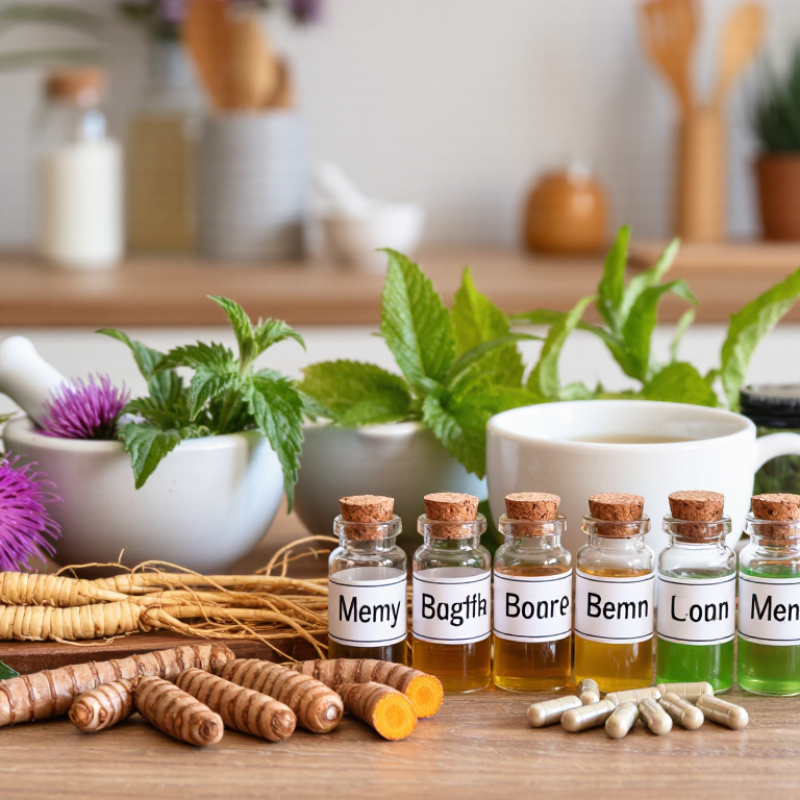
Herbal extracts are concentrated preparations made from plant material such as leaves, roots, flowers, or seeds. Unlike a simple tea, an extract removes selected compounds into a liquid or powder form. The result may contain flavonoids, alkaloids, essential oils, or other naturally occurring substances.
Production begins with careful plant identification and controlled drying. Excess heat can damage sensitive compounds. After drying, the material is cut or milled into smaller pieces. Water, alcohol, glycerin, or carbon dioxide may then draw specific compounds from the plant cells. The mixture is filtered, and the liquid can be evaporated into a thicker extract or dried into powder. The extraction method matters. Water favors some compounds, while alcohol may dissolve others.
Quality depends on more than concentration. Reliable producers test identity, purity, moisture, and possible contaminants. Some also measure marker compounds for batch consistency. However, a higher percentage does not automatically mean better results. The body must absorb the compounds, process them, and sometimes transform them through digestion or the liver. That part is often overlooked.
A label can sound precise.
Yet plants vary with soil, season, harvest time, and storage. Even well-made extracts may differ slightly between batches. Evidence also differs widely among herbs, and traditional use does not prove effectiveness. I once considered standardization a complete quality guarantee, but it is only one piece of the picture. Clear sourcing, transparent testing, appropriate dosing, and professional guidance remain important, especially when an extract may interact with medicines.
Herbal extracts are concentrated preparations made by transferring plant compounds into water, alcohol, or pressurized carbon dioxide. The chart shows representative temperature ranges used in common extraction methods.
Lower-temperature methods may help preserve heat-sensitive compounds, while higher-temperature methods can improve the release of some water-soluble constituents. Once consumed, the extracted compounds are digested, absorbed to varying degrees, metabolized, and eliminated; effects depend on the plant, compound, dose, preparation, and individual health factors. Values are representative ranges and can vary by herb and process.
2026 Best Herbal Extracts: How Do They Work in the Body?
Herbal extracts begin their journey when you swallow, sip, or mix them with food. Digestive fluids break down the extract and release active plant compounds. Some compounds cross the intestinal wall and enter the bloodstream. Others pass through unchanged. The liver then modifies many compounds before they reach body tissues. This process is called first-pass metabolism. It can reduce activity, but sometimes creates a new active form. The picture is not perfectly simple.
In practice, absorption depends on the plant, extraction method, dose, and meal timing. Fat-soluble compounds may absorb better with dietary fat. Water-soluble compounds usually behave differently. Individual digestion, age, medicines, and liver health also matter. One person may notice an effect, while another notices little. That difference does not prove the extract works or fails. Evidence can be limited, uneven, or based on small studies. Careful interpretation is important.
Tips: Choose products with clear ingredient amounts and independent quality testing. Read the full label, not only the front panel. Take notes about timing, food, and unwanted changes. Avoid assuming “natural” means risk-free. Some extracts can affect medicines or cause allergic reactions. Ask a qualified healthcare professional before use, especially during pregnancy or chronic treatment. Start cautiously. Stop if concerning symptoms appear.
A science-based comparison of common herbal extracts, their active compounds, absorption pathways, metabolism, and practical considerations
| Herbal Extract | Representative Active Compounds | How the Compounds Enter the Body | Primary Absorption and Metabolism | Commonly Studied Biological Actions | Relative Oral Bioavailability | Important Considerations |
|---|---|---|---|---|---|---|
| Turmeric Extract Curcuma longa |
Curcuminoids, including curcumin; volatile oils such as turmerones | Usually taken orally in capsules, powders, or food. Curcuminoids pass through the intestinal lining in limited amounts because they have low water solubility. | Absorption occurs mainly in the small intestine. Curcuminoids undergo extensive intestinal and liver conjugation, producing glucuronide and sulfate metabolites and leaving only a small amount of unchanged compound in circulation. | Modulation of inflammatory signaling and oxidative-stress pathways has been studied in laboratory and human research. | Low to moderate Formulation strongly affects exposure. |
May cause gastrointestinal discomfort. Concentrated products may interact with anticoagulant or antiplatelet medicines and may be unsuitable for some people with gallbladder or biliary conditions. |
| Green Tea Extract Camellia sinensis |
Catechins, especially epigallocatechin gallate (EGCG); caffeine may also be present | Oral catechins dissolve in gastrointestinal fluids and are absorbed through the intestine. Food intake can change absorption and peak blood levels. | Catechins undergo methylation, sulfation, glucuronidation, and microbial transformation in the colon. Plasma concentrations are generally transient. | Research has examined antioxidant activity, vascular function, metabolic signaling, and cellular stress responses. | Low to moderate Absorption varies by catechin and product preparation. |
High-dose concentrated extracts, particularly when taken fasting, have been associated with liver-injury reports. Caffeine-containing preparations may affect sleep, heart rate, or anxiety. |
| Ginger Extract Zingiber officinale |
Gingerols, shogaols, zingerone, and related phenolic compounds | Compounds enter through the gastrointestinal tract after oral intake. Heat and drying can convert gingerols into more pungent shogaols. | Ginger constituents are absorbed in the intestine and rapidly converted into glucuronide and sulfate metabolites. Gut microbes also transform some compounds. | Gastrointestinal motility, nausea pathways, inflammatory signaling, and platelet-related mechanisms have been investigated. | Moderate Metabolites may contribute to biological activity. |
May cause heartburn or stomach irritation. High supplemental doses warrant caution with anticoagulant or antiplatelet medicines and before surgery. |
| Milk Thistle Extract Silybum marianum |
Silymarin complex, including silybin, silydianin, and silychristin | Oral silymarin is absorbed from the intestine, but its water solubility is limited and absorption can vary substantially among preparations. | Silybin and related compounds undergo glucuronidation and sulfation in the intestine and liver. Enterohepatic recycling may contribute to repeated exposure. | Studied for antioxidant, cell-protective, and liver-related mechanisms; clinical outcomes vary by condition and formulation. | Low to moderate | May cause digestive symptoms or allergic reactions, especially in people sensitive to plants in the daisy family. Potential medicine interactions remain formulation-dependent. |
| Ginseng Extract Panax species |
Ginsenosides, also called steroidal saponins | Many intact ginsenosides are poorly absorbed because of their size and polarity. Intestinal bacteria convert some into smaller metabolites that may be absorbed more efficiently. | Biotransformation by gut microbiota is important. Absorbed metabolites are further processed by intestinal and hepatic conjugation pathways. | Research has examined fatigue, cognitive performance, glucose regulation, immune signaling, and stress-response pathways. | Low for many parent compounds Varies with gut microbiota and extract composition. |
May cause insomnia, headache, or digestive symptoms. Possible interactions include glucose-lowering, stimulant, anticoagulant, and immunomodulating medicines. |
| Boswellia Extract Boswellia serrata |
Boswellic acids, including acetyl-keto-beta-boswellic acid | Usually consumed orally in resin or standardized extract form. Boswellic acids are lipophilic, so meals containing fat may influence uptake. | Absorption is limited and differs among individual boswellic acids. Hepatic metabolism and biliary elimination contribute to clearance. | Studied for effects on 5-lipoxygenase-related inflammatory pathways and joint comfort. | Low to moderate Enhanced formulations may produce higher exposure. |
May cause nausea, diarrhea, or reflux. Use caution with medicines affecting bleeding, inflammation, or liver enzyme activity. |
| Ashwagandha Extract Withania somnifera |
Withanolides and related steroidal lactones | Oral extracts release withanolides in the digestive tract, where they cross the intestinal barrier to a limited and variable extent. | Human pharmacokinetic data are still limited. Compounds are expected to undergo hepatic and intestinal metabolism, with differences based on extract type and dose. | Clinical research has examined stress perception, sleep, exercise recovery, and selected hormone-related outcomes. | Not fully established Standardization and extract chemistry are important. |
May cause drowsiness or gastrointestinal effects. Avoid or seek professional guidance during pregnancy; caution is advised with thyroid, sedative, immune-modulating, and glucose-lowering medicines. |
| Peppermint Extract Mentha × piperita |
Menthol, menthone, menthyl acetate, and other volatile oils | Volatile compounds can be absorbed orally and may also act locally in the gastrointestinal tract. Enteric-coated preparations are designed to delay release beyond the stomach. | Menthol is metabolized mainly by oxidation and glucuronidation, followed by urinary and biliary elimination. | Menthol activates sensory channels and has been studied for intestinal smooth-muscle relaxation and cooling sensations. | Moderate Local gastrointestinal effects may be important. |
May worsen reflux or heartburn. Enteric-coated oil should be used carefully in people with significant reflux or biliary disorders. |
| Echinacea Extract Echinacea species |
Caffeic-acid derivatives, alkamides, polysaccharides, and phenolic compounds | Different constituents follow different routes: small phenolics may be absorbed in the small intestine, while larger polysaccharides mainly interact with the gut and immune tissues. | Phenolic compounds undergo conjugation and microbial metabolism. Alkamides are lipophilic and may reach measurable blood levels after oral intake. | Studied mainly for immune signaling and respiratory symptom outcomes, with mixed clinical findings. | Variable Depends heavily on plant species and plant part. |
Possible allergic reactions, especially in people sensitive to the daisy family. Theoretical concerns exist with some immune-modulating medicines. |
| Valerian Extract Valeriana officinalis |
Valerenic acids, sesquiterpenes, and volatile constituents | Oral constituents are absorbed through the gastrointestinal tract. Some effects may arise from several compounds acting together rather than one isolated ingredient. | Valerenic acids undergo hepatic metabolism; detailed human pharmacokinetic information remains limited. | Studied for nervous-system signaling related to relaxation and sleep, although clinical results are inconsistent. | Not fully established | May cause drowsiness, dizziness, or gastrointestinal discomfort. Avoid combining with alcohol or sedative medicines without professional advice. |
Interpretation note: “Bioavailability” describes the fraction of an orally consumed compound that reaches systemic circulation in an active or measurable form. A low blood level does not necessarily mean no local gastrointestinal activity, while a higher blood level does not guarantee a clinically meaningful benefit. Actual exposure depends on dose, extract standardization, food, formulation, liver function, gut microbiota, and concurrent medicines. Herbal extracts should not replace diagnosis or prescribed treatment.
Herbal extracts do not move directly from a capsule into the bloodstream. Saliva, stomach acid, bile, intestinal enzymes, and gut microbes all influence absorption. Water-soluble compounds may dissolve quickly, while oily or poorly soluble compounds can pass through the intestine with limited uptake. Food changes this process. A meal containing fat may improve absorption for some compounds, but not all.
After intestinal absorption, many compounds enter the liver through the portal vein. This “first-pass” metabolism can reduce active levels before circulation begins. The liver may transform compounds into metabolites with different effects. Kidneys and bile then help remove them. In practical formulation testing, extract concentration is only one variable. Particle size, plant chemistry, storage, and preparation method also matter. Small differences can produce large pharmacokinetic changes.
WHO’s 2019 Global Report on Traditional and Complementary Medicine found that 170 of 194 Member States reported using traditional medicine. That broad use does not prove equal effectiveness or absorption. It shows why reliable testing matters. Human studies remain uneven. Laboratory results can flatter real-world performance. I still find this easy to overlook. Health conditions, medicines, genetics, and microbiome differences may alter metabolism. EMA herbal monographs emphasize standardized evidence and safety evaluation, but many extracts still lack detailed human pharmacokinetic data. Consumers should check the extract’s plant part, dosage, and quality testing, then seek professional advice when combining it with medication.
2026 Best Herbal Extracts: How Do They Work in the Body?
Herbal extracts can influence several body systems, depending on their plant compounds and concentration. Ginger extract may support stomach movement and ease occasional nausea. Its warming sensation is noticeable after a capsule or strong tea. Chamomile compounds may interact with calming pathways in the nervous system, although responses vary widely.
Some extracts affect inflammatory signals. Turmeric compounds have been studied for joint comfort, but absorption can be limited. A concentrated extract may behave differently from turmeric used in cooking. Licorice extract can influence fluid balance and blood pressure. This matters for people with hypertension or kidney concerns. Natural does not always mean gentle.
The liver processes many herbal compounds before they circulate through the body. Extract quality, dosage, preparation method, and timing can change the result. A practitioner may review medications, allergies, pregnancy status, and recent laboratory results before suggesting an extract. That step is easy to skip.
The evidence is not tidy. Small studies may show promise, while larger trials remain uncertain. I would not treat one positive result as proof. Some extracts may also alter how prescription medicines work. Watch for dizziness, stomach pain, rash, or unusual fatigue. Stop and seek medical advice if these appear. Careful use requires realistic expectations, not enthusiastic guesses.
Choosing the best herbal extracts in 2026 requires more than attractive claims. Effectiveness begins with human evidence, not popularity. Look for controlled clinical studies using the same plant part, extract ratio, and dosage. Traditional use offers useful clues, but it cannot replace modern research. Results may also vary with age, diet, health conditions, and other supplements.
Safety deserves equal attention. Read the full label, including allergens, added stimulants, and suggested serving size. Ask a qualified healthcare professional before use if you take prescription medicine, undergo surgery, or have liver or kidney concerns. A natural ingredient can still cause side effects or interact with treatment. Start cautiously. Keep a simple record of dose, timing, and physical changes.
Quality is often harder to judge. Choose products with clear botanical names, plant parts, extraction methods, batch numbers, and expiration dates. Independent laboratory testing can verify identity, purity, heavy metals, microbes, and unwanted contaminants. A certificate of analysis is helpful, but its testing date and laboratory details should be visible. Packaging alone proves little. No checklist is perfect. Even careful buyers may overlook poor storage, unstable compounds, or exaggerated evidence. I would rather select a transparent extract with modest claims than a powerful-sounding product without traceable testing. Evaluation should remain ongoing, especially when the body responds differently than expected.
Digestive fluids break it down. Some compounds cross the intestinal wall and enter the bloodstream. Others leave unchanged.
The liver modifies many compounds before they reach body tissues. This may reduce activity or create a new active form.
Digestion, age, medicines, liver health, dose, and meal timing can change absorption. One person may notice effects, while another notices little.
Sometimes. Fat-soluble compounds may absorb better with dietary fat. Water-soluble compounds behave differently. The result is not guaranteed.
Yes. Some may influence digestion, calming pathways, inflammatory signals, fluid balance, or blood pressure.
Not always. Concentration and preparation can change the amount entering the body. A capsule may behave differently from a meal.
Some extracts may affect medicines or trigger allergies. Watch for dizziness, stomach pain, rash, or unusual fatigue.
Read the full label and check ingredient amounts. Look for independent quality testing. Record timing, food, and unwanted changes.
No. Natural does not always mean gentle. That assumption is easy to make, and sometimes wrong.
Evidence can be limited or uneven. Small studies may look promising, but larger research may remain uncertain. One positive result is not proof.
Herbal extracts are concentrated preparations made from plant materials using methods such as water, alcohol, or other approved solvents to draw out selected compounds. Understanding how do herbal extracts interact with the body begins with examining how these active substances are absorbed through the digestive system, transported in the bloodstream, and processed by the liver and other organs. Their effects may depend on chemical structure, dosage, formulation, and individual biology.
Different extracts can influence body systems in different ways, including supporting normal immune, digestive, nervous, or circulatory functions. However, effectiveness is not determined by concentration alone. A careful evaluation should consider the quality and identity of the plant material, extraction method, consistency of active compounds, available scientific evidence, possible side effects, and interactions with medicines or health conditions. Responsible use also requires reliable labeling, appropriate dosage guidance, and professional advice when needed.

Bluidge Biology